


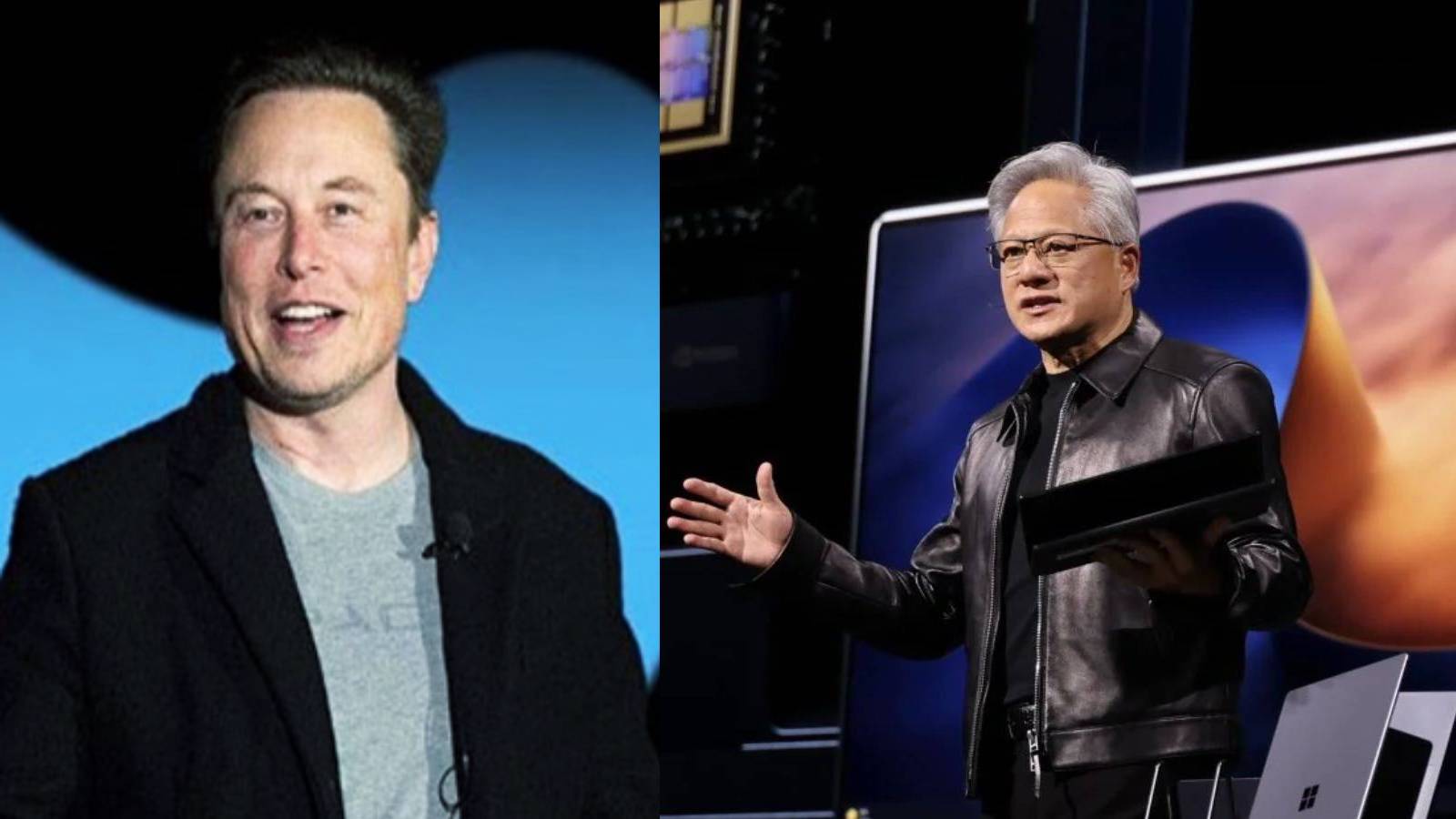


New York: Elon Musk has criticised Nvidia's decision not to bring back its former chief executive Jensen Huang, comparing the company's leadership change to the Chicago Bulls dropping basketball legend Michael Jordan during a winning run.
Speaking at The New York Times' DealBook Summit on November 18, Musk said Huang's departure could prove damaging to the chipmaker, given his experience, industry relationships and influence within the company.
"You're not going to find me saying one thing publicly and another thing privately. Jensen is an old friend of mine. I would call Jensen Michael Jordan, perhaps at his peak level, in terms of what he means to a team," Musk said.
He questioned the decision to part ways with Huang, drawing a comparison with a basketball team removing its most valuable player while performing well.
"Doesn't seem like a smart decision to me," he added.
Musk says Huang would be difficult to replace
Musk argued that Huang's contribution to Nvidia extended beyond his role as chief executive. He pointed to the former CEO's understanding of technology, management of supply chains and long-standing relationships with critical suppliers.
He also said Huang had built strong personal relationships with employees, with some reportedly turning down better offers elsewhere because of their loyalty to him.
Asked whether he would consider hiring Huang, Musk responded positively and described him as one of the most talented entrepreneur-CEOs in history.
"Who wouldn't want to hire Jensen?" he said, adding that Huang was not actively looking for another job.
Nvidia rules out reinstating former CEO
Musk's remarks come after Nvidia's board confirmed that it would not reinstate Huang, despite calls from prominent business figures and US President Donald Trump for the company to reconsider its decision.
Also Read:
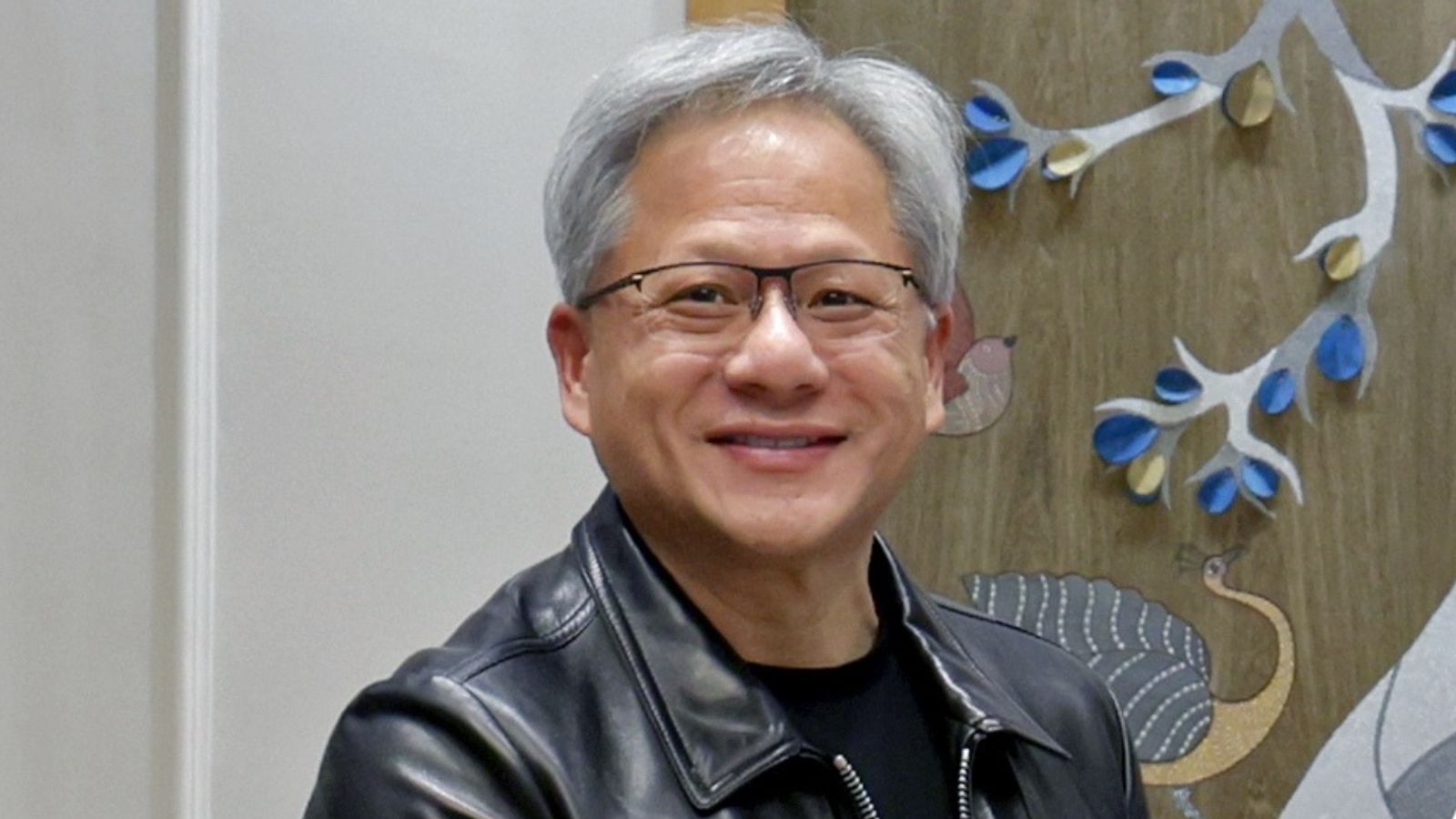
Nvidia announced on November 12 that Huang had resigned as president, CEO and a member of its board, with immediate effect. The company appointed chief financial officer Colette Kress as interim CEO and named Harvey C. Jones as its first-ever board chair.
During the company's earnings call on November 17, Jones said the board had unanimously accepted Huang's resignation and did not intend to bring him back as CEO. The board is searching for a permanent successor.
Alleged Chinese espionage links under scrutiny
Huang's departure followed disclosures about his personal relationships, including an alleged affair with Alice Huang, a former executive of Singapore-based technology company Megaspeed International. US intelligence concerns reportedly centre on whether she was linked to Chinese intelligence and whether sensitive information or restricted Nvidia technology could have reached Beijing.
These allegations have prompted scrutiny of Nvidia's export-control practices and potential national security implications. They have not, however, established that Huang knowingly assisted a foreign intelligence operation or that restricted chips were diverted with his involvement.
House Minority Leader Hakeem Jeffries has said that allowing advanced American technology to reach the Chinese Communist Party in ways that could threaten US national security would be unacceptable. He has called for further scrutiny of the matter.
Huang has agreed to appear before three US House committees on December 1 for a transcribed interview. The committees are examining his interactions with Alice Huang and Nvidia's safeguards against the possible diversion of advanced chips. Nvidia's general counsel, Tim Teter, is scheduled to appear on December 2.
Nvidia has also announced the formation of a board committee to oversee national security and global trade compliance as the company faces questions over its export controls and internal oversight.
(With agency inputs)