

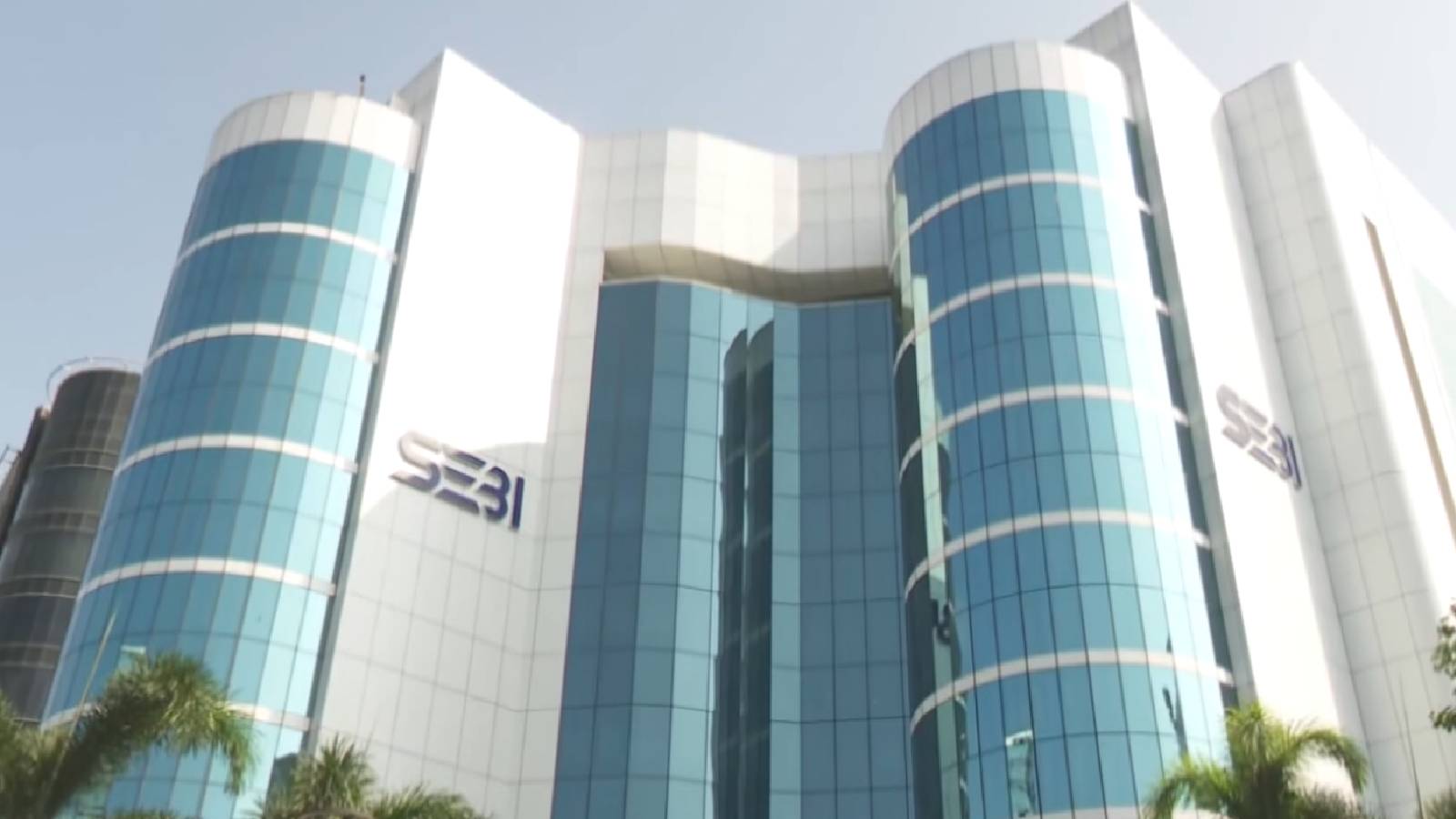


Kolkata: The Securities and Exchange Board of India (SEBI) is working towards removing companies with no economic activity from the stock exchanges, as their continued presence in the listed space poses a potential risk to investors, a top official said.
There are a number of listed companies with no economic activity, SEBI chairman Tuhin Kanta Pandey said. “They pose a potential danger to investors, and therefore, it is necessary to remove them from the listed space. We are making efforts towards their delisting," Pandey said here on Saturday during a programme.
Also Read:
From the perspective of market integrity, it is important to address the presence of such companies, as their continued listing could expose an increasing number of investors to potential risks through social media groups, he said.
These stocks are used in “pump and dump operations” by some manipulators, the SEBI chairman said. He said SEBI was using AI techniques to track and scrutinise such accounts, along with numerous other interventions to protect retail investors from getting trapped.
On the small and medium enterprises (SME) listing board, Pandey said SEBI has proposed several changes through a consultation paper to improve the framework, while acknowledging that some older companies remain a concern.
Commenting on foreign portfolio investors (FPIs), he said the regulator would soon come out with another consultation paper, proposing easing of certain norms, particularly relating to disclosures and concentration limits.
The consultation paper is likely to be issued in the coming weeks, rather than months, he said.
Pandey said FPIs operate across global markets and their investment decisions are influenced by post-tax returns in dollar terms.
Their investment decisions are shaped by the earnings potential of companies, emergence of new sectors, currency movements, US Federal Reserve interest rates and global bond yields, Pandey said.
SEBI's efforts have been directed towards making the system as seamless as possible for FPIs, both in terms of onboarding and their continued operation in the Indian market, he said.