


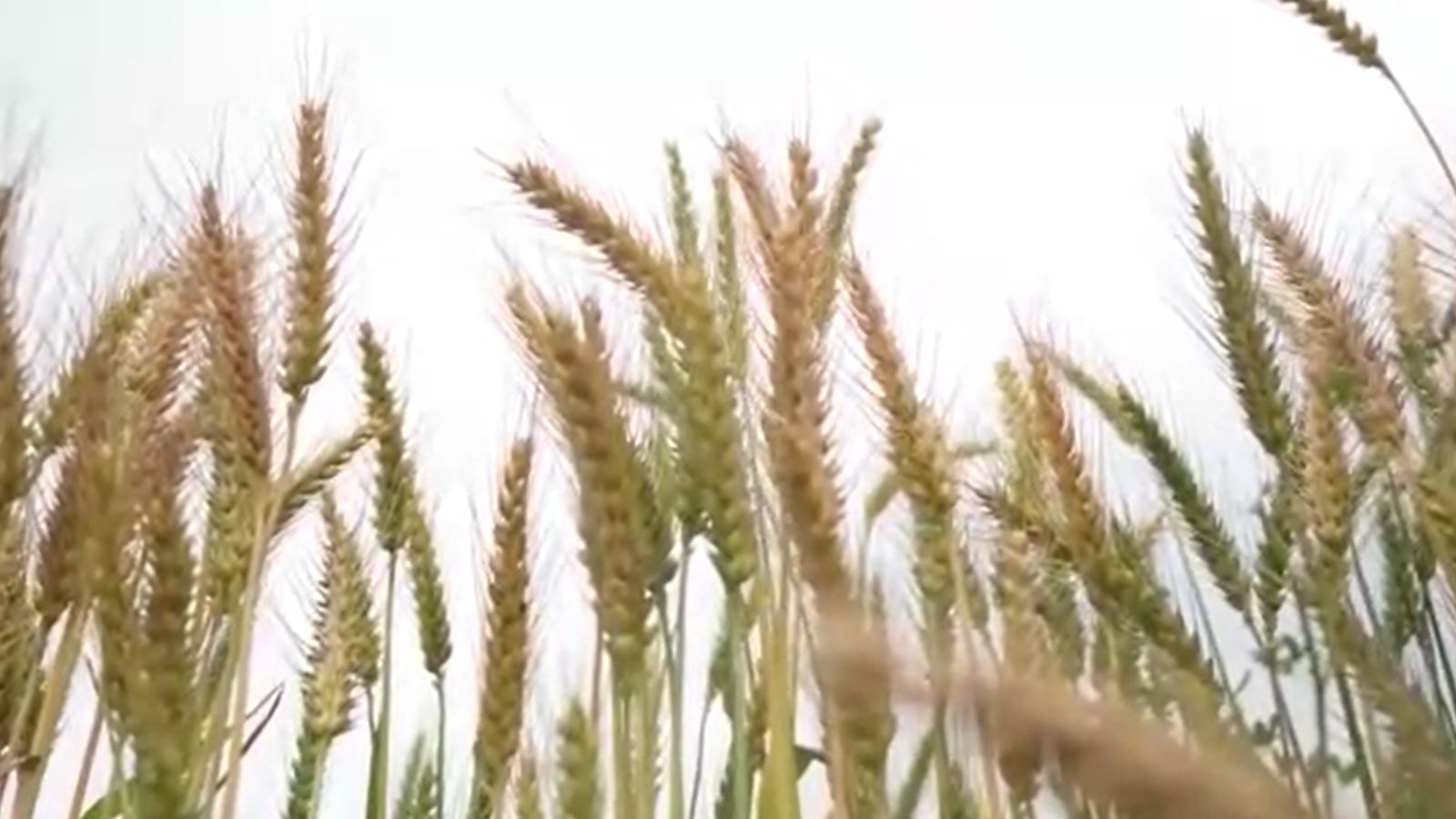


Global food prices rose to their highest level in nearly four years in September, driven by disruptions to trade and transport routes and concerns over adverse weather conditions, the United Nations Food and Agriculture Organization (FAO) said.
The FAO Food Price Index averaged 136.0 points in September, up from a revised 134.0 points in August. It was the highest level recorded since November 2022.
The increase was led by higher prices for cereals, sugar and vegetable oils. The FAO Cereal Price Index rose 5.1 per cent from August, while the Sugar Price Index increased 6.1 per cent and the Vegetable Oil Price Index climbed 0.9 per cent.
In contrast, the Meat Price Index declined 1.1 per cent, while the Dairy Price Index fell 0.1 per cent during the month.
India featured in the FAO's latest assessment, particularly in its outlook for sugar and rice production.
Sugar production prospects in India have weakened amid below-normal rainfall and strengthening El Niño conditions, adding to concerns over global sugar supplies. The weather concerns helped push international sugar prices to an 18-month high in September.

The FAO also lowered its outlook for global rice production to 552.5 million tonnes, with weaker production prospects in India largely due to poorly distributed monsoon rainfall outweighing improved forecasts for Japan and Nepal.
The agency had earlier reported that India's national average retail rice price increased month-on-month in August, with concerns over below-average monsoon rainfall in parts of the country affecting prospects for the 2026/27 Kharif crop.
FAO Chief Economist Maximo Torero said disruptions in the Strait of Hormuz and the Black Sea, together with climate-related shocks, were putting pressure on energy, transport and key food commodities.
If these pressures persist, they could eventually be passed on to consumers through higher food prices, particularly in countries that depend heavily on food and energy imports, Torero said.
Disruptions to Black Sea trade also pushed wheat futures to a three-year high in early September, according to the FAO. The agency said constrained shipping routes were also affecting expectations for wheat and maize exports.
Also Read:

The FAO forecast global cereal production in 2026 at 2.979 billion tonnes, broadly unchanged from its previous estimate. The forecast is 2.1 per cent lower than 2025, but would still represent the second-highest production level on record.
The agency also cut its forecast for global cereal trade in 2026/27 by 0.7 per cent from its September estimate, citing lower expectations for wheat and maize exports because of constrained shipping routes in the Black Sea.
The latest figures come as markets face a combination of weather risks, geopolitical tensions and disruptions to major trade routes, factors that could continue to influence food and commodity prices in the months ahead.
(With agency inputs from Reuters)