

Kathmandu: Nepal is planning to import up to 1,100 MW of electricity from India during the upcoming dry season to meet peak domestic demand, as recent flash floods, landslides and heavy monsoon rains have damaged hydropower projects and temporarily reduced the country's generation capacity.
The Nepal Electricity Authority (NEA) is preparing a work plan for the dry period from December to May 2027, during which electricity generation from the country's run-of-the-river hydropower projects declines significantly, while demand rises, particularly during the late winter and spring months.
"Although we need to import some power from India after November, the peak period for demand lies between February and May," NEA spokesperson Rajan Dhakal said.
Nepal currently has around 3,740 MW of electricity generation capacity in operation, Dhakal said.
However, the country's power sector has suffered significant damage from a series of weather-related disasters in recent months.
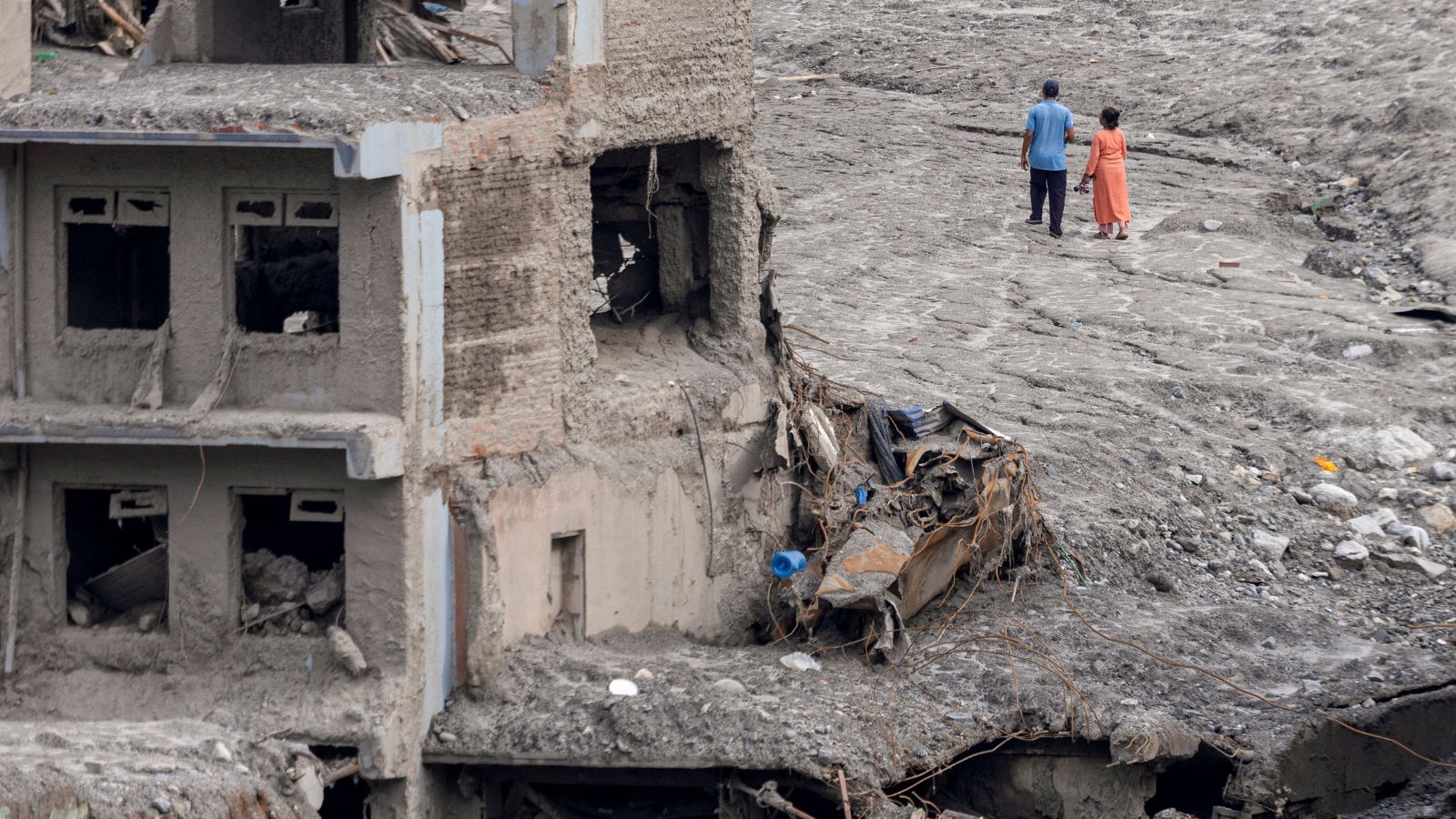
The August 26 Bhotekoshi flash floods damaged several hydropower plants and related infrastructure, resulting in the loss of about 450 MW of generation capacity.
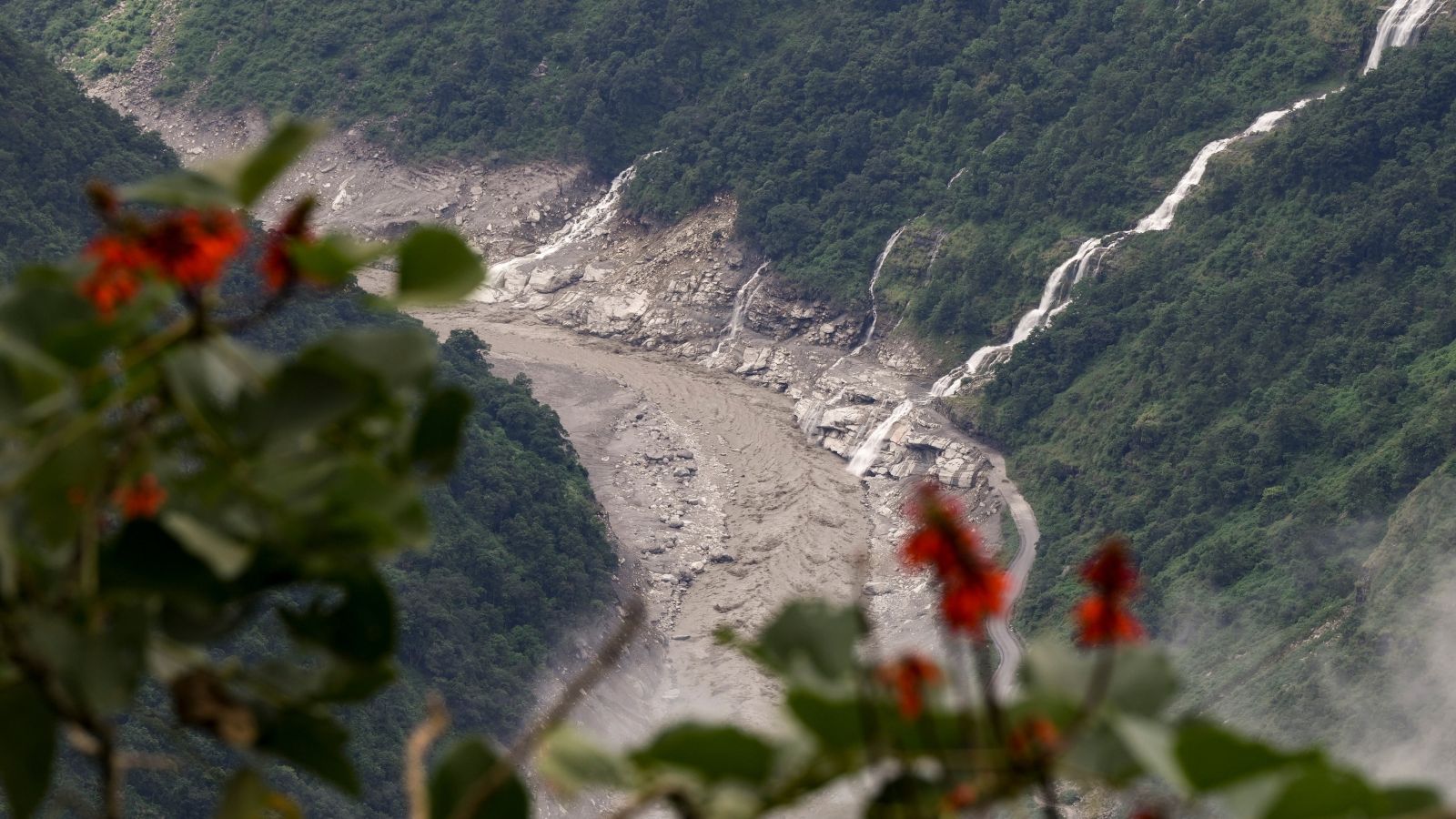
This was followed by heavy monsoon rainfall between September 24 and 27, which damaged the 190 MW Kaligandaki hydropower project.
The combined damage from the Bhotekoshi floods and the recent excessive rainfall has resulted in a loss of about 640 MW of generation capacity, Dhakal said.
Therefore, the NEA is considering importing up to 1,100 MW of electricity from India during the upcoming winter season, he said.
The planned imports are expected to help the NEA maintain a balance between supply and demand during the coming winter and the peak demand period from February to May.
Despite the damage to its hydropower plants, Nepal is currently exporting between 600 MW and 700 MW of electricity to India, the NEA spokesperson said.
The Himalayan nation has in recent years increasingly used cross-border power trade to export surplus electricity during the wet monsoon months, when its hydropower plants generate more power, and import electricity during the dry season when domestic generation falls.
The NEA expects some of the hydropower projects affected by the Bhotekoshi floods to resume generation after maintenance work, with around 160 MW expected to be restored by February, Dhakal said.
The 190-MW Kaligandaki project is also expected to resume generation within a couple of months, he said, adding that the restoration of the damaged projects would ease pressure on electricity supplies during the dry season.
India and Nepal have expanded cross-border electricity trade in recent years, with New Delhi allowing Kathmandu to sell its surplus power in its energy market.