



With Day of the Dead celebrations approaching next month, Mexico is preparing for one of its most distinctive cultural traditions.
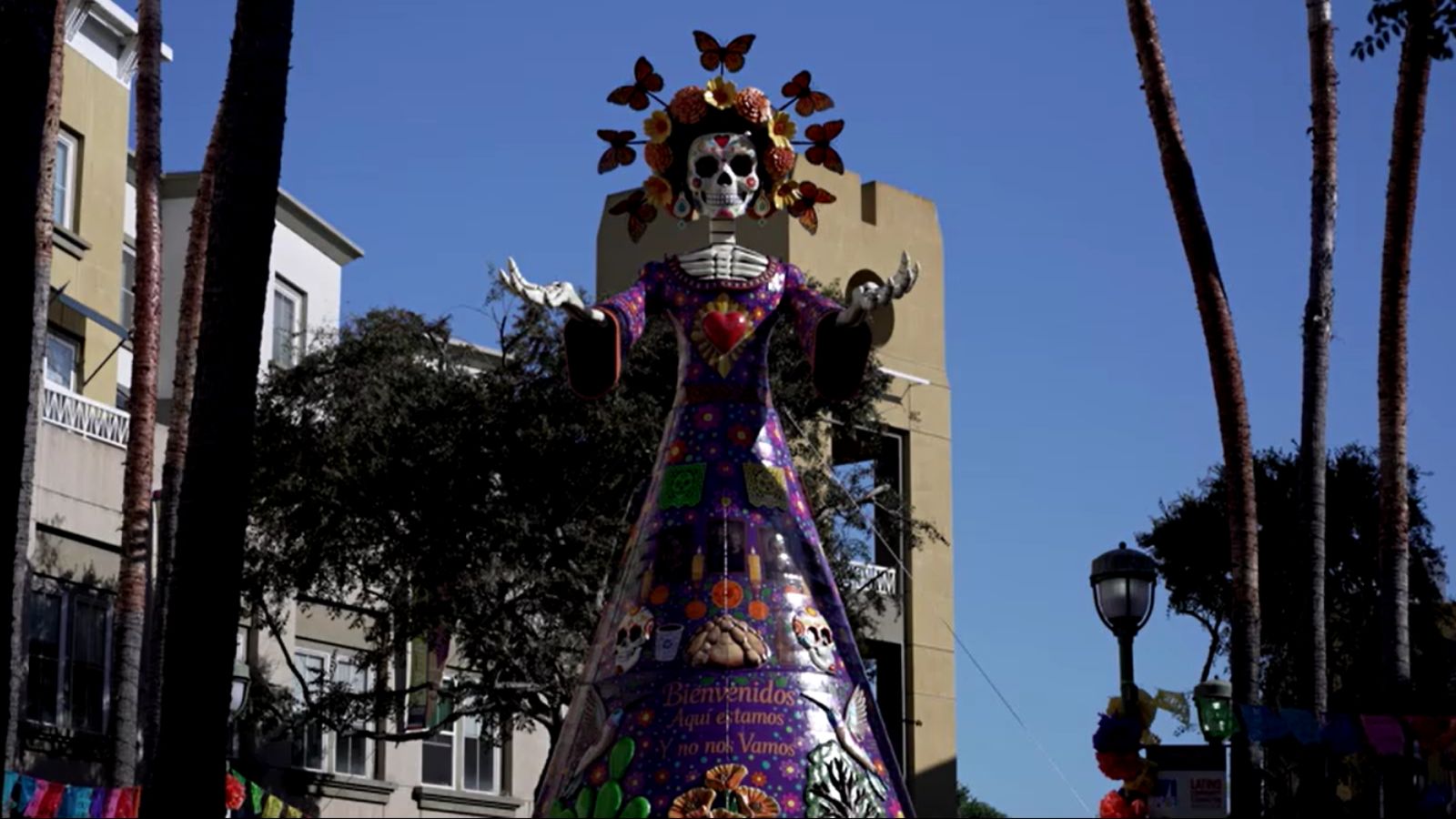
The festival is already making an appearance beyond Mexico. In Oakland, California, city officials and community leaders held an official welcome ceremony on Thursday for a 34-foot-tall (10.3-metre) La Catrina statue.
Installed last week in the Fruitvale neighbourhood, home to a vibrant Latino population, the statue is a striking representation of Mexican culture. Speakers at the ceremony described La Catrina as a meaningful cultural icon and a symbol of welcome for immigrant communities.
For travellers heading to Mexico during the Day of the Dead season, cemeteries and public plazas become some of the most distinctive places to experience the celebration.
Thousands of people typically gather at burial grounds and public spaces, where families picnic at gravesides and decorate altars with photographs of relatives and friends who have died.
The colourful altars are adorned with sugar skulls, papier-mâché skeletons, chocolate coffins and marigolds. Families also leave favourite foods and drinks of the deceased, including pastries, tequila and cigarettes, as offerings to entice their loved ones to return from the underworld.
Skeletons are an unmistakable part of the celebration, with many people dressing up and taking part in public festivities. Among the most recognisable figures is La Catrina, the elegantly dressed skeleton that has become an enduring symbol of Mexican culture.
For visitors, the Day of the Dead offers a glimpse into a tradition where remembrance is woven into everyday spaces through food, flowers, family gatherings and elaborate displays.