

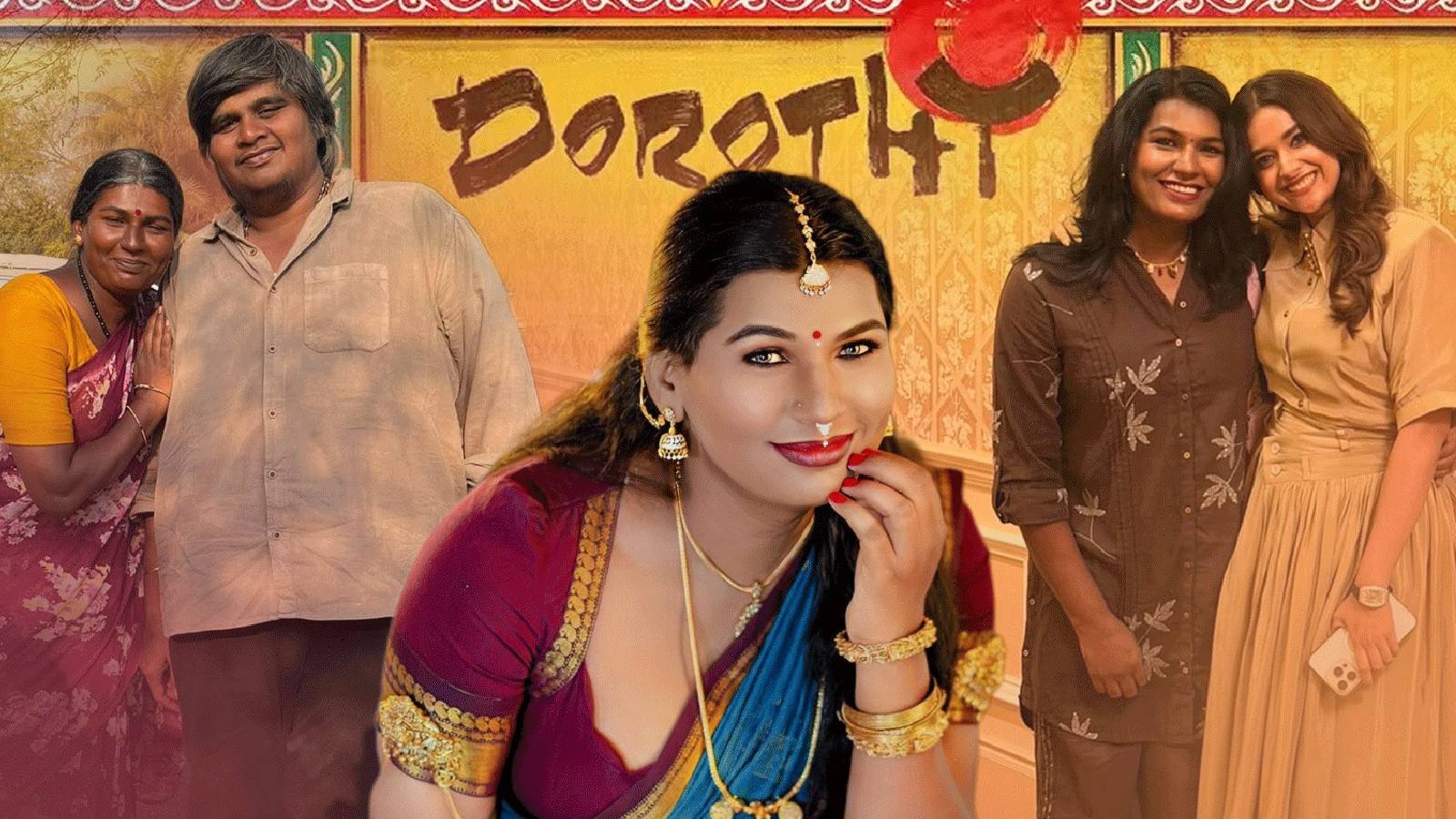


Jeeva Subramanian worked across various departments in the film industry before pursuing her passion for acting. A turning point came with her role in Karthik Subbaraj's Dorothy, and the film's journey to the Toronto International Film Festival marked an important milestone in her career.
But beyond the recognition on screen lies a larger story about the realities of being a transgender actor in Indian cinema. From the struggle for meaningful opportunities and the freedom to explore diverse roles to the everyday challenges of finding a home, Jeeva speaks about her journey, ambitions and the need to recognise transgender artists for their talent rather than define them by their identity.
Excerpts from the interview.
The person, the artist and the struggle
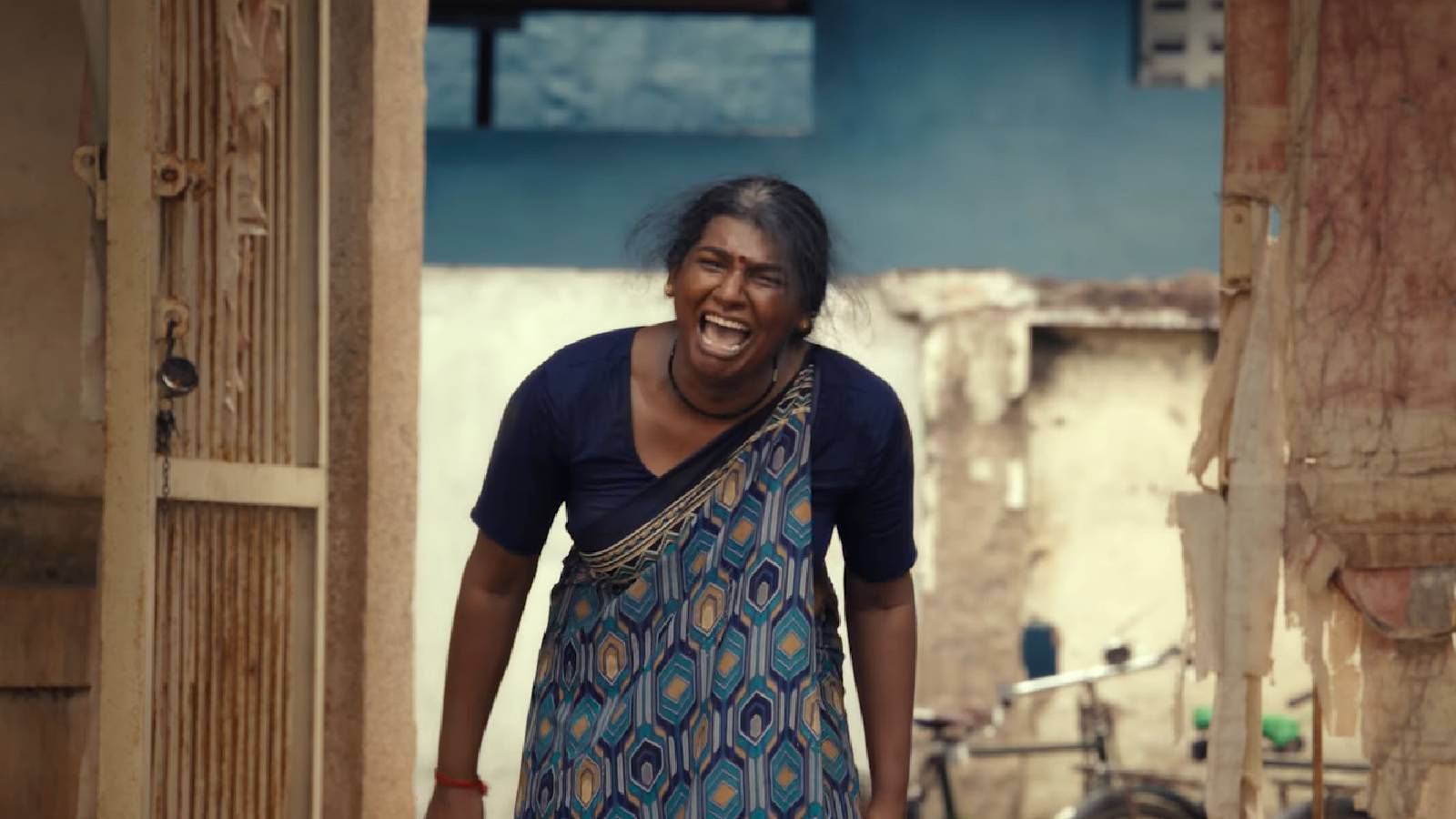
My life has not been easy. From a very young age, I faced several challenges and had to learn to stand on my own. I started living independently at the age of 12, and those early experiences taught me strength, responsibility and the importance of believing in myself.
I have always been passionate about cinema. Being part of a film that reached the Toronto International Film Festival was a very special moment in my career. Over time, I realised that acting was the strongest way for me to express myself.
For me, acting is not just a profession or a path to fame. It is a language through which I can communicate emotions, experiences and stories. Cinema is not just my profession; it is my life, my breath and a world I deeply love.
I often say that I have seen the God called cinema in person.
Cinema has eyes. It has ears. It has a nose. It can see, hear and breathe. I believe cinema can sense what we do and how sincerely we dedicate ourselves to it. I also believe that one day, it will take care of me.
I still have so many dreams. I want to play many more characters and explore different dimensions of myself as an actor. I want to prove my talent through my work.
The cost of being true to yourself
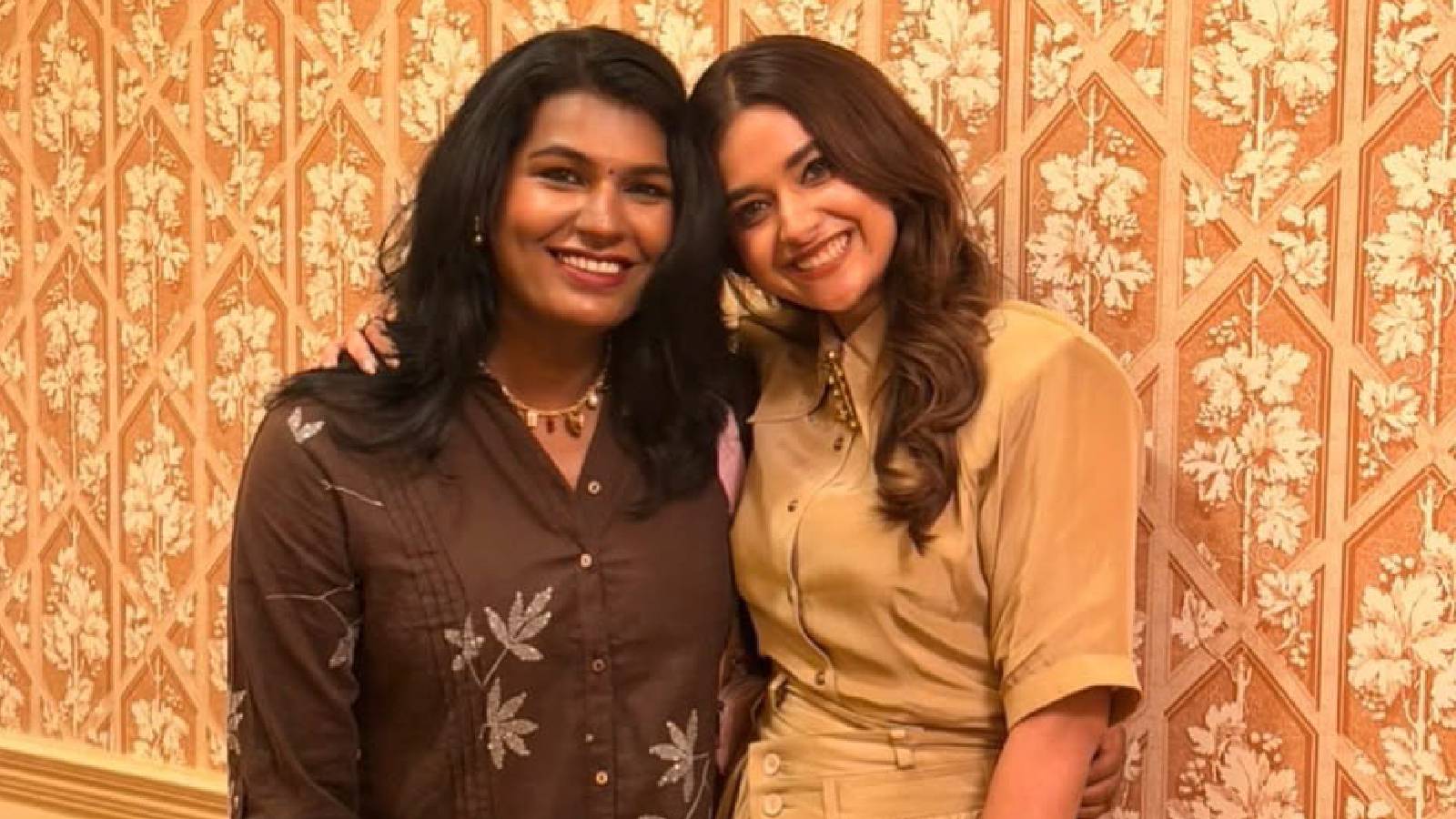
Being your true self means having the freedom to live without constantly explaining or defending who you are. Unfortunately, that freedom is not equally available to everyone.
As a transgender woman, I have experienced situations where people judged my identity before recognising my talent. There have been times when I had to fight for acceptance, respect, opportunities and even the simple right to live peacefully.
Sometimes, being yourself comes at a price. You may lose relationships, opportunities or even the comfort of being accepted by society. But I strongly believe that no one should have to sacrifice their dignity or identity just to be accepted.
Progress is not simply about technology, education or economic development. Real progress happens when people are free to be themselves without fear, discrimination or humiliation.
I don't want to live a life that makes others comfortable by hiding who I am. I want to live honestly, with dignity and self-respect. Being yourself should never be considered a privilege. It should be a basic human right.
Journey into the film industry
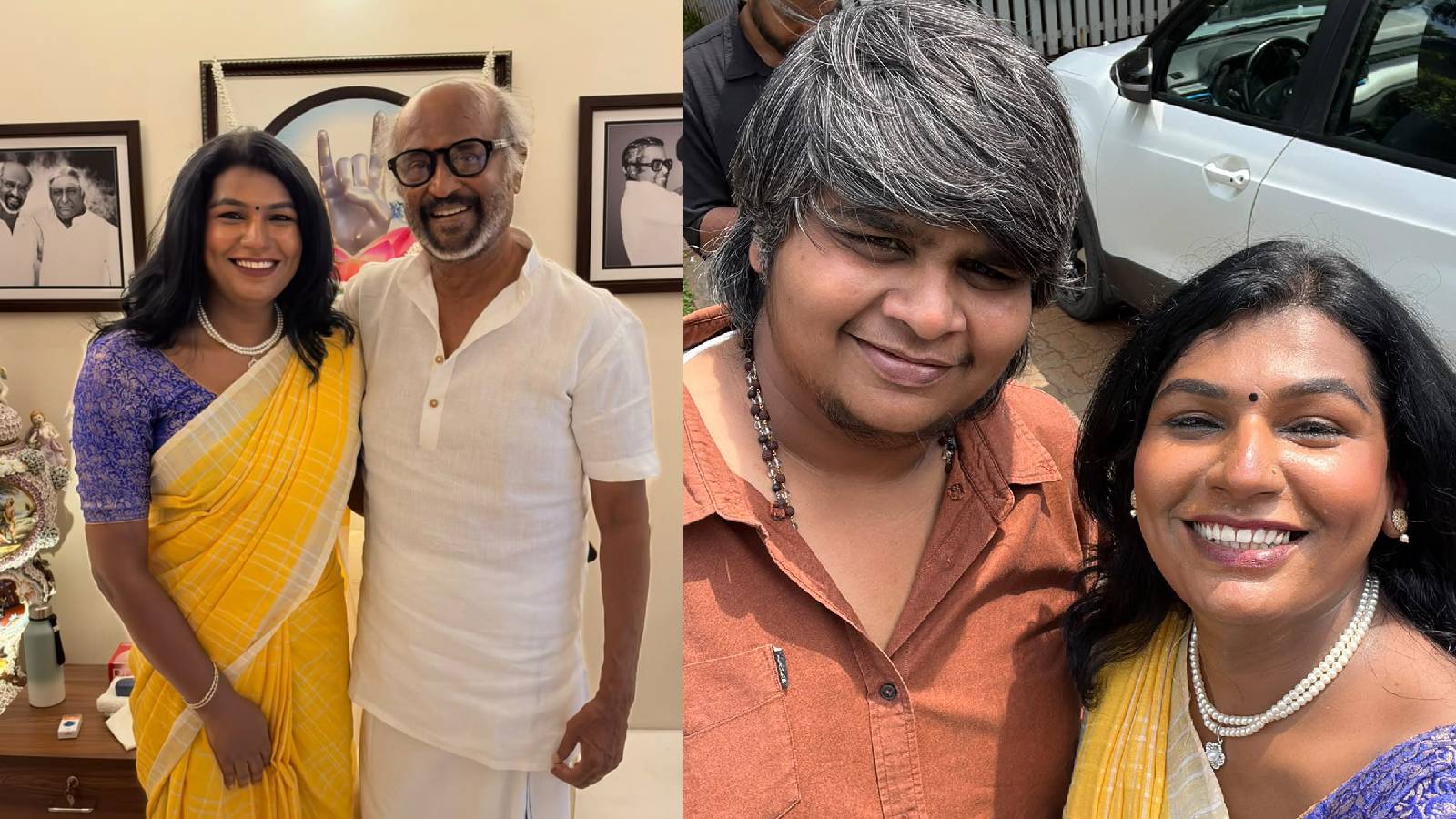
My journey in the film industry began in 2016. I did not enter cinema directly as an actor. I wanted to learn the craft, so I explored different departments, including direction, camera work, make-up and costume design.
The film industry is challenging for everyone, but transgender women can face additional barriers. There were times when opportunities did not materialise as promised. There were also instances when people noticed my identity before recognising my abilities. I faced rejection, uncertainty and difficult situations.
Throughout my journey, several directors, actors, technicians and well-wishers have supported me. I am grateful to everyone who believed in me.
One person I would especially like to mention is director Karthik Subbaraj. The opportunity, affection and trust he showed me through Dorothy mean a great deal to me.
I also believe that success is never achieved alone. Every person who encourages you, gives you an opportunity or stands by you becomes part of your journey.
Whenever I speak about my life, I prefer not to dwell on negative experiences. I would rather talk about the positive things in my life and the lessons I have learnt along the way.
But there are certain truths about my life that I don't want to hide either.
There have been many days when I didn't even have food to eat. Even today, I sometimes go through such difficult situations. The reason is simple: as a transgender actress, I don't get opportunities in every film.
My last shoot was in March. I haven't had another shooting opportunity since then. I am still looking for my next film and trying to find the right opportunities. A few discussions are currently under way. There is also a conversation about a Malayalam film. It would be my first Malayalam film opportunity after Dorothy, and I hope it works out.
I have always wanted to play characters such as an elder sister or a mother. I want to explore different roles and prove myself as an actor.
I have worked on films such as Mayakkam Enna. At the time, I was working as a make-up assistant.
Since then, I have experienced many things. I have faced difficult situations along the way, but I don't want my struggles to become the centre of my story. I don't want people to love me out of sympathy for what I have gone through.
If someone gives me an opportunity merely out of sympathy or because of my personal struggles, I cannot consider that true recognition of my artistic ability. What gives me real happiness is an opportunity earned through my talent and hard work.
Even today, I have been searching for a house to rent for almost six months. Last year, I was also told that the government would provide me with a house. However, following the change in government, that opportunity has not materialised. My search for a home continues.
There is a contradiction I want to point out: the very society that applauds me on screen hesitates to give me a home in real life. I am not saying this out of anger towards anyone. I simply want people to understand how far we still have to go when even something as basic as finding a home remains a challenge.
Dorothy and you
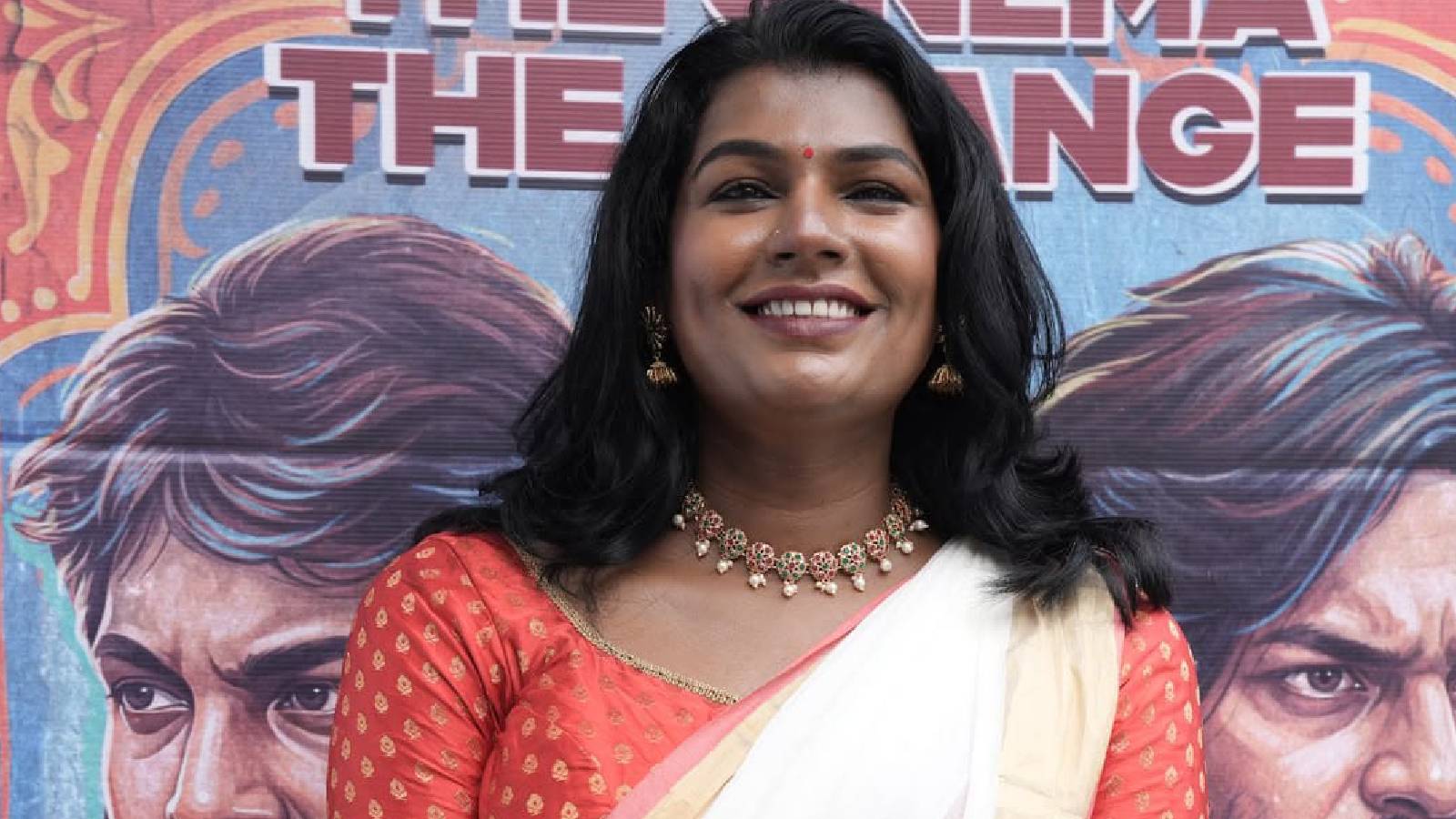
Working with director Karthik Subbaraj and being part of this project has been an unforgettable experience. Dorothy gave me much more than an acting opportunity. It gave me a beautiful family of people who treated me with affection, respect and trust.
Karthik Subbaraj and the entire team made me feel valued and comfortable. One of the most memorable aspects of this journey was seeing the film reach the Toronto International Film Festival.
If Dorothy is described as a gift from God, I would say Karthik Subbaraj is the person through whom that gift came into my life.
I would also like to thank everyone who helped make this opportunity possible, including his assistants and associates, especially Yuvraj and Vignesh.
I gained 13 kilograms specifically for this character. I prepared myself physically and mentally because I took the role very seriously. This was not just another opportunity for me. I wanted to give it my complete dedication and effort.
They did not offer me this role out of sympathy. They believed I was suitable for the character. That is why I worked so hard to do justice to it.
Today, when people celebrate my performance, I feel genuinely happy. Behind that happiness are my hard work and the faith of those who believed in me.
There was also a very emotional incident during our return flight after the Toronto International Film Festival. Even in that difficult situation, Karthik gently tapped my shoulder and told me, "I am here for you."
Sometimes, knowing that someone is standing by us is the greatest comfort we can receive. I will never forget that moment.
Transgender audiences and Dorothy
I believe many transgender people may find parts of their own lives reflected in Dorothy. When a transgender character appears on screen, that character should not be defined solely by their gender identity.
They have emotions, dreams, relationships, fears, hopes and the desire to be loved and accepted, just like anyone else. Love, affection, respect and the desire to belong are universal human emotions.
A transgender woman is no different when it comes to these feelings. She too wants to be loved, respected, understood and accepted.
Cinema has the power to help audiences understand lives and experiences they may not have encountered personally.
If someone watching Dorothy begins to understand a transgender person's emotions rather than seeing only their identity, then cinema has achieved something meaningful.
Transgender actors and roles
This is one of the most important questions we need to discuss.
I want a director to say, "Jeeva is the right person for this character. She can bring this role to life." That is the kind of recognition I truly want.
Even today, transgender actors are often approached only when filmmakers need a transgender character. But an actor's talent should never be restricted by their gender identity.
I am a transgender woman, but that doesn't mean I should only be considered for transgender roles. I don't want filmmakers to cast me simply because they need a transgender person in a film.
Just as other actors get opportunities to play mothers, sisters, lovers, villains, doctors, teachers and many other characters, transgender actors should also have the freedom to explore different roles.
We are actors first. We have the ability to understand characters, express emotions and bring stories to life.
Don't limit us to the identity we represent. Give us opportunities based on the talent we bring to the screen. That is the change I wish to see in Indian cinema.
Portrayal of transgender women's love and intimacy
Yes, I believe there is still some discomfort in society when it comes to portraying love and intimate relationships involving transgender women. People are gradually becoming more aware, but acceptance is still a journey.
A transgender woman can fall in love. She can be loved by someone. She can dream of marriage, companionship and building a family. Why should these emotions become controversial simply because the person experiencing them is transgender? Love does not belong to one gender or identity. It is a human emotion.
Cinema should not treat transgender love as something unusual, shocking or controversial. Instead, filmmakers should portray these relationships with the same sensitivity, dignity and emotional depth that they bring to any other love story.
I believe audiences can understand and accept different experiences when stories are told honestly. Sometimes, all we need is the opportunity to see another person's life through their emotions rather than through our assumptions.
Indian cinema after Dorothy
I would like Dorothy to be part of a larger change in Indian cinema.
Transgender characters should not always be portrayed through stereotypes, sympathy, comedy or suffering. We have different personalities, professions, ambitions, relationships and dreams, just like everyone else.
I want filmmakers to create transgender characters with depth, individuality and dignity. More importantly, I want transgender actors to receive opportunities beyond transgender-specific roles.
Let us play characters based on our acting abilities. Let us be part of mainstream cinema without our gender identity becoming the only reason for our presence. I would also like the industry to involve transgender artists in meaningful creative discussions when stories about our community are being developed.
Representation is not just about putting someone on screen. It is also about allowing them to participate, contribute and be respected. My dream is to see a time when a transgender actor's performance is discussed for its artistic value, just like that of any other actor. That would be real progress.
Message from someone who is unapologetically herself
I want to tell society one simple thing: please do not judge a person only by their appearance, gender identity or past. Every human being deserves dignity, respect, freedom and the opportunity to pursue their dreams.
I have never wanted special treatment. I have always wanted equal opportunities and the freedom to prove myself through my work. I don't believe I should have to apologise for being who I am. I don't want to spend my entire life asking people to accept me. I want to live with dignity and let my work speak for itself.
My identity is a part of me, but it does not define the limits of my abilities.
I want young people, especially those who feel unseen, unheard or misunderstood, to know that their lives are valuable and their dreams are worth pursuing.
You may not be able to control how the world sees you, but you can continue working towards the person you want to become. I am not ashamed of my journey. I am not apologetic about my identity. I am proud of the person I have become, and I still have a long way to go.
There is just one thing I want to say:
I am my job. I love my job.
One thing life has taught me is how painful it can be to live without love. Perhaps that is why I always want to share as much love as I can with everyone around me.