

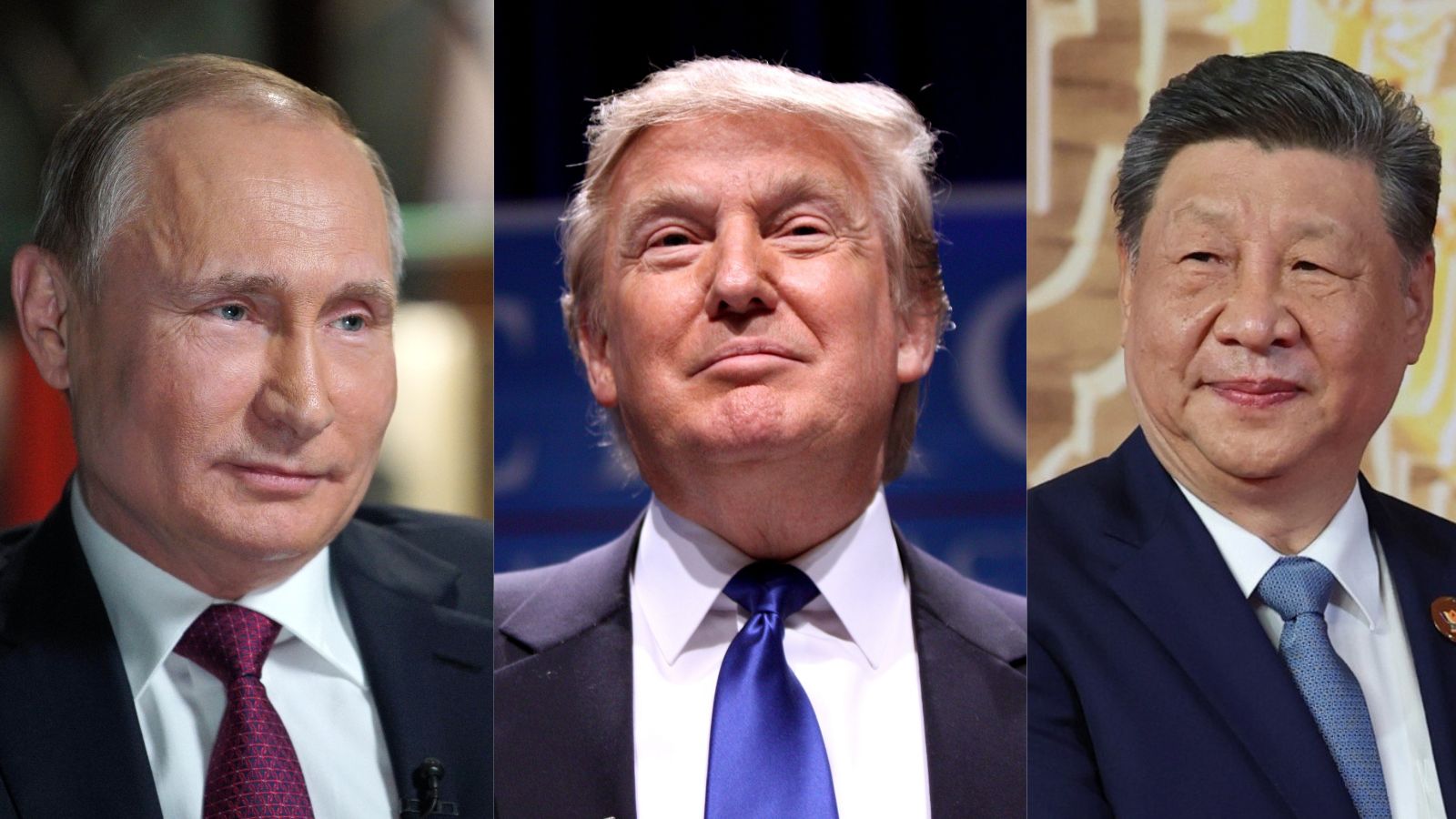


All eyes are on the APEC summit in China, where US President Donald Trump, Chinese President Xi Jinping and Russian President Vladimir Putin are expected to meet on the sidelines in Shenzhen this week. The meeting would mark a rare diplomatic engagement between the leaders of three major powers at a time of growing geopolitical uncertainty.
With discussions potentially spanning nuclear arms control, the war in Ukraine, trade and regional security, the meeting has drawn comparisons with the historic Yalta Conference of 1945. Some are already describing it as a possible 'Yalta 2.0'.
But what exactly is the reference to Yalta?
What was the Yalta Conference?
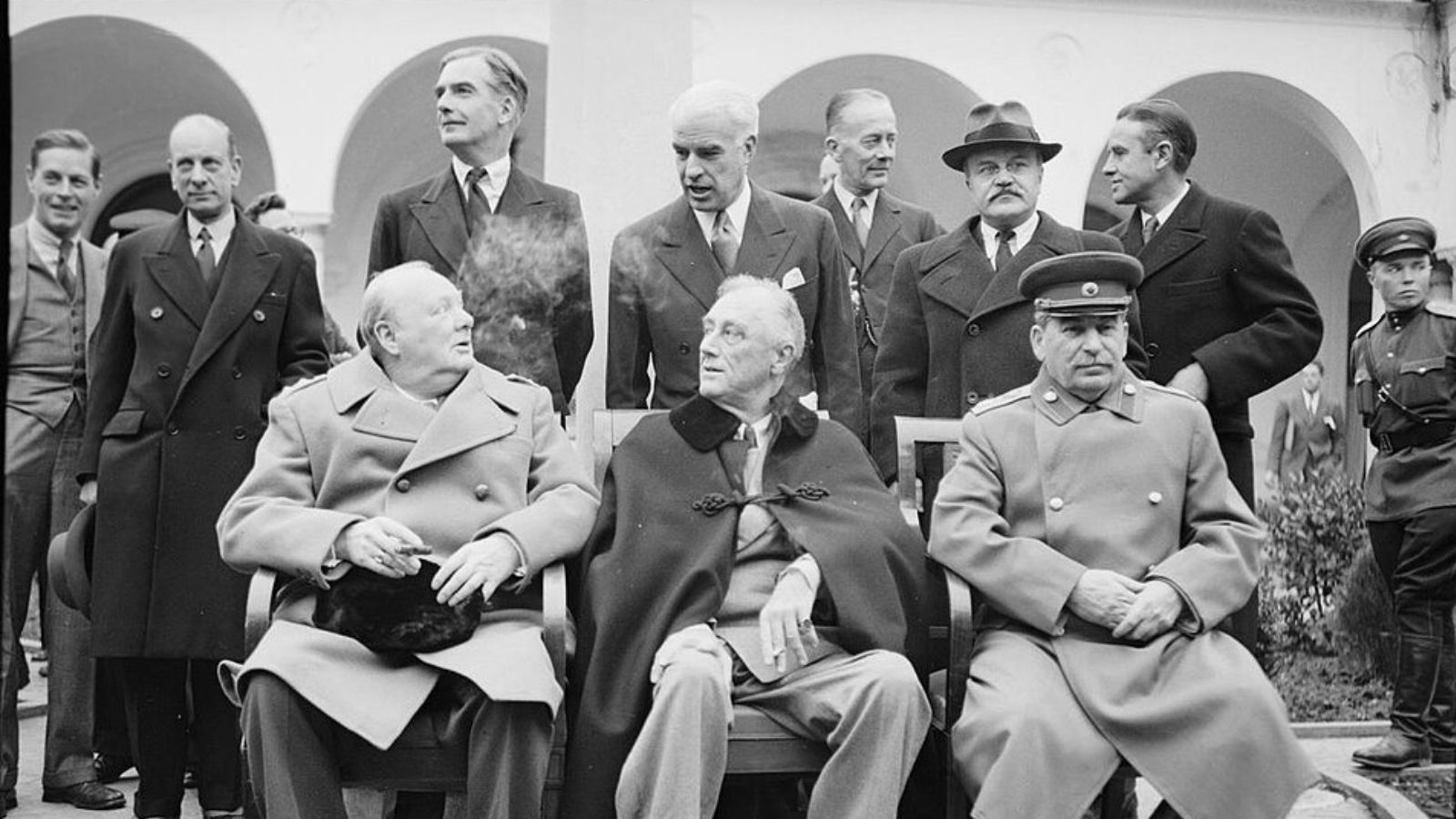
The Yalta Conference was held from February 4 to 11, 1945, in Crimea, during the final months of World War II. It brought together the leaders of the three major Allied powers: US President Franklin D. Roosevelt, British Prime Minister Winston Churchill and Soviet leader Joseph Stalin.
The leaders, known as the 'Big Three', discussed the post-war settlement, including the future of Germany, the political arrangements in Eastern Europe and the creation of a new international organisation to maintain peace.
What were the key decisions?
1. Germany's division: The Allies agreed to divide defeated Germany into occupation zones controlled by the United States, the United Kingdom, France and the Soviet Union. Berlin, located within the Soviet zone, would also be divided among the four powers.
2. Eastern Europe and Poland: The Allies called for free elections and broadly representative governments in countries liberated from Nazi occupation. However, the Soviet Union later consolidated its influence across much of Eastern Europe, installing communist governments. The failure to honour the commitment to free elections became one of the most contentious aspects of the conference.
3. Creation of the United Nations: The leaders agreed on plans to establish the United Nations. The discussions also helped shape the UN Security Council, with five permanent members holding veto power.
4. Soviet entry into the war against Japan: Stalin agreed that the Soviet Union would join the war against Japan approximately three months after Germany's defeat. In return, Moscow was promised territorial and strategic concessions in the Far East, including southern Sakhalin, the Kuril Islands and privileges in Manchuria.
What is Yalta's legacy?
Although the three powers had joined forces to defeat Nazi Germany, their competing political and ideological interests soon strained the wartime alliance. Disagreements over Eastern Europe contributed to growing mistrust between the Western powers and the Soviet Union.
The division of Europe into Western and Soviet spheres of influence became a defining feature of the Cold War. Yalta remains controversial, particularly over the failure to secure free elections in Eastern Europe and the subsequent expansion of Soviet control in the region.
Why is the term 'Yalta 2.0' being used today?
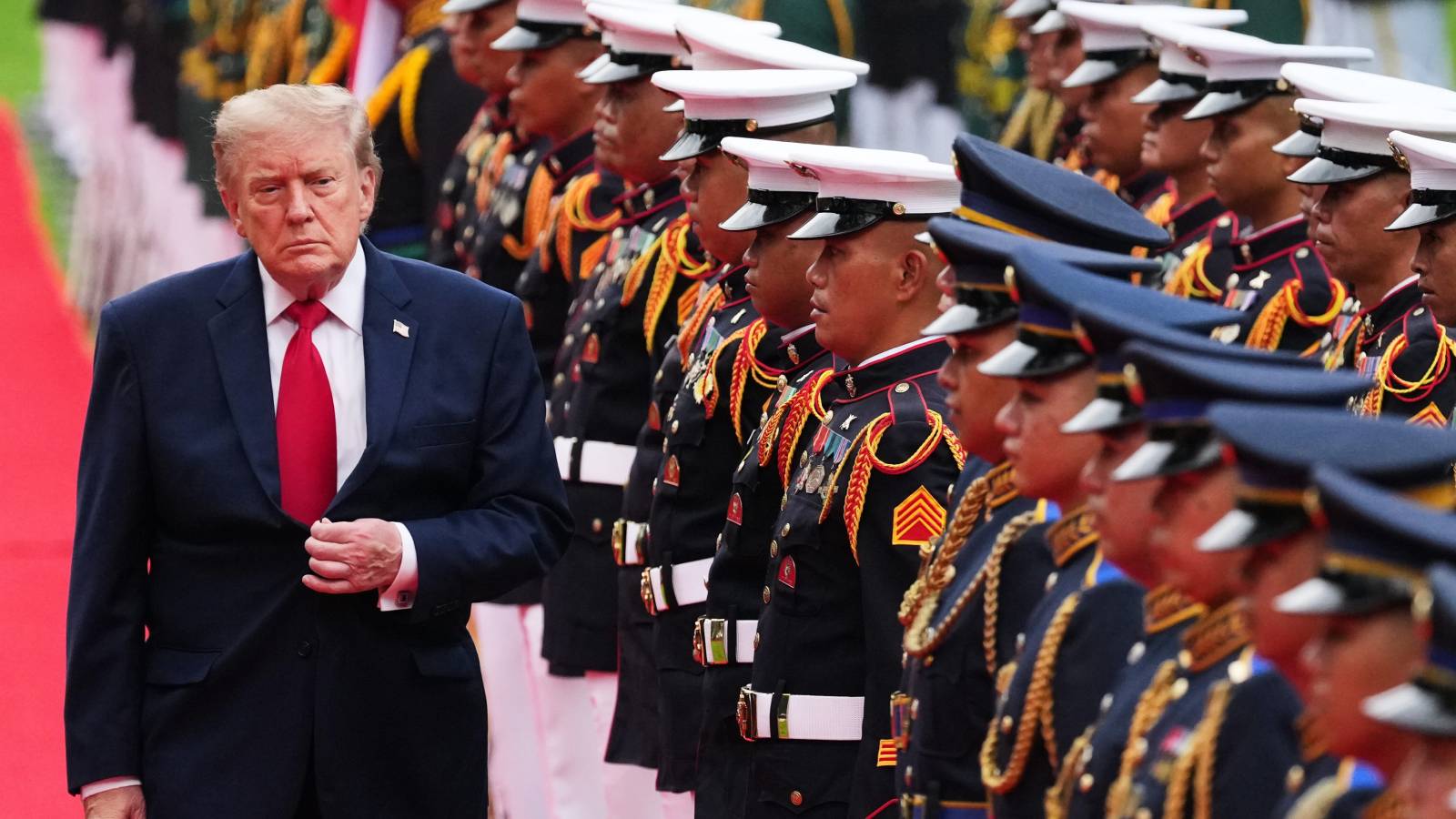
The comparison with Yalta reflects concerns that a meeting between Trump, Putin and Xi could allow major powers to negotiate spheres of influence and reshape the global balance of power.
However, there is a key difference between the two meetings. The 1945 conference brought together wartime allies negotiating the post-war settlement.
A potential summit involving Washington, Moscow and Beijing would bring together countries with competing strategic interests and sharply differing positions on major international issues.
The 'Yalta 2.0' label comparison also raises concerns about whether an understanding among the three powers could influence the future of international relations without adequately considering the interests of smaller countries.
Ultimately, whether the meeting can produce a new geopolitical understanding will depend on the extent to which the leaders can reconcile their competing priorities and reach agreements on issues of global importance.