



Bangkok: China dismissed on Monday allegations that the nation was involved in a spy plot to ensnare Nvidia CEO Jensen Huang, calling the claims unsubstantiated and a smear campaign against Beijing.
Huang has acknowledged to the Nvidia board that he had been intimate with a business executive who US intelligence determined was gathering information for Beijing, according to The New York Times.
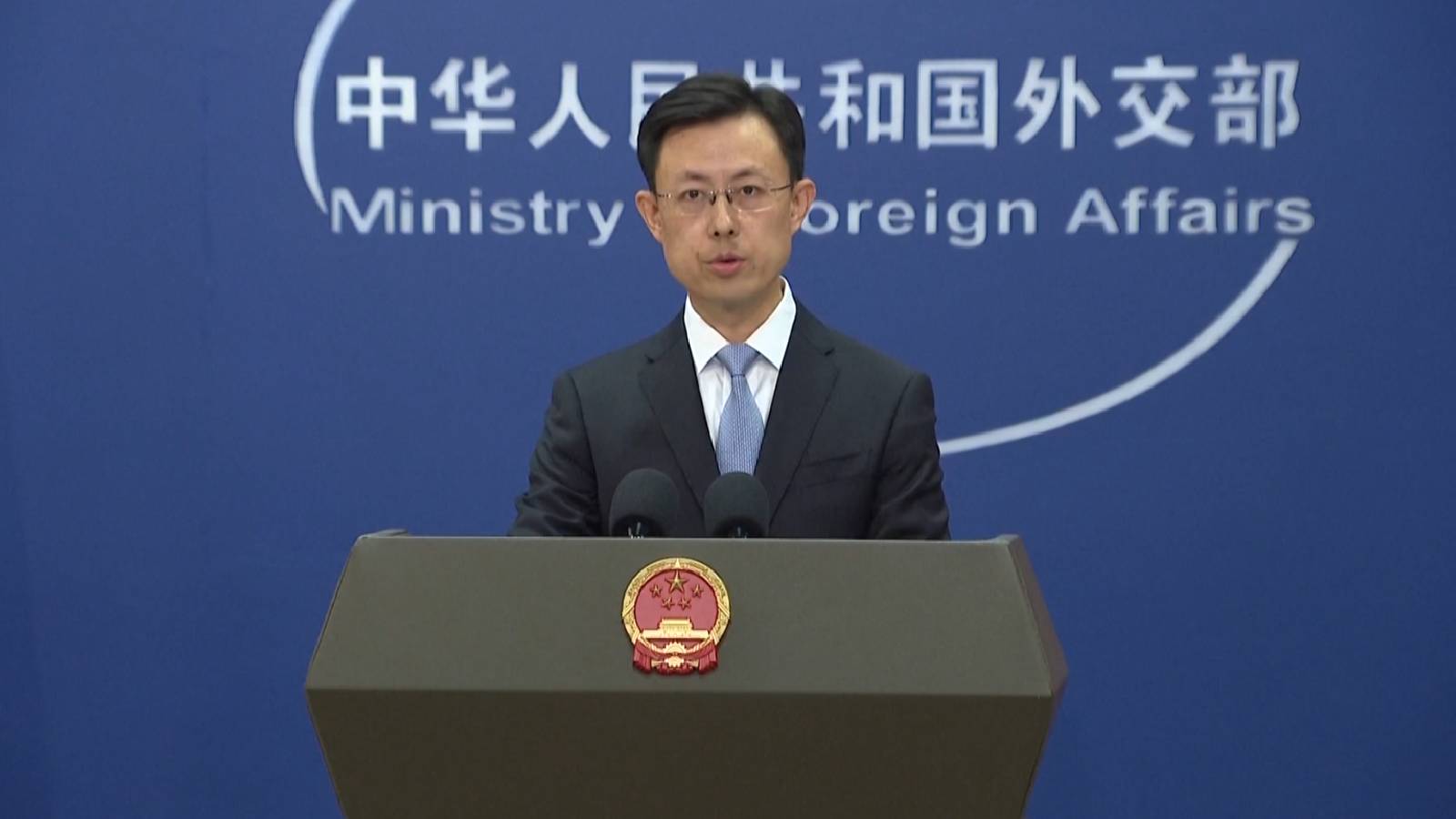
“The so-called Chinese spy allegation is unsubstantiated. It is nothing but smears against China,” Ministry of Foreign Affairs spokesperson Guo Jiakun said on Monday.
The Jensen Huang controversy
The chips company CEO is at the center of a controversy over whether he drove sales of advanced computer chips to China, in spite of US tech restrictions aimed at limiting China's ability to access these advanced technologies. Nvidia is one of the world's most valuable publicly traded companies, alongside Apple and Microsoft.
Nvidia said on Sunday that the company would launch an investigation into the case. Huang did not name the person in the extramarital affair.
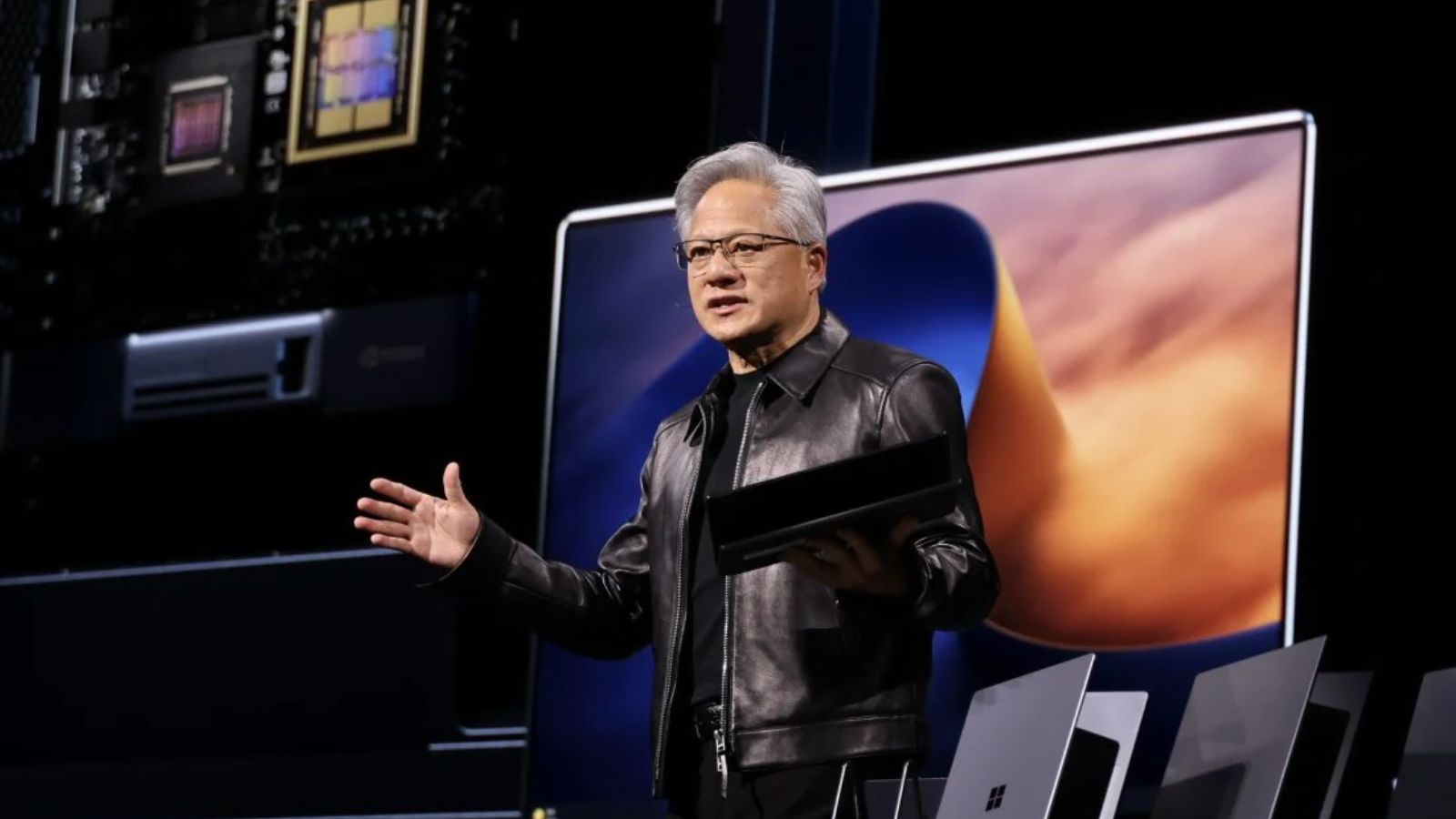
China had previously denied the The New York Times report that said Huang had developed a close relationship with a Chinese citizen named Alice Huang, who ran a company that faced claims of smuggling advanced chips into China, and that she was a spy for Beijing.
“The key questions are whether he was aware of any espionage activities and whether any confidential or strategically sensitive information was compromised,” said George Chen, a partner and chair of digital practice at The Asia Group, a Washington-based consultancy.
“Those questions require evidence rather than speculation,” he added in written comments.
Huang pushed for chip sales to China amid US restrictions
Huang had pushed to loosen chip sales restrictions to China in recent years, successfully lobbying US President Donald Trump to allow his company to sell H200 chips this year. However, it is uncertain if Beijing would allow Chinese companies to buy these chips en masse.
While those chips are not Nvidia's most cutting-edge models, they are still advanced.
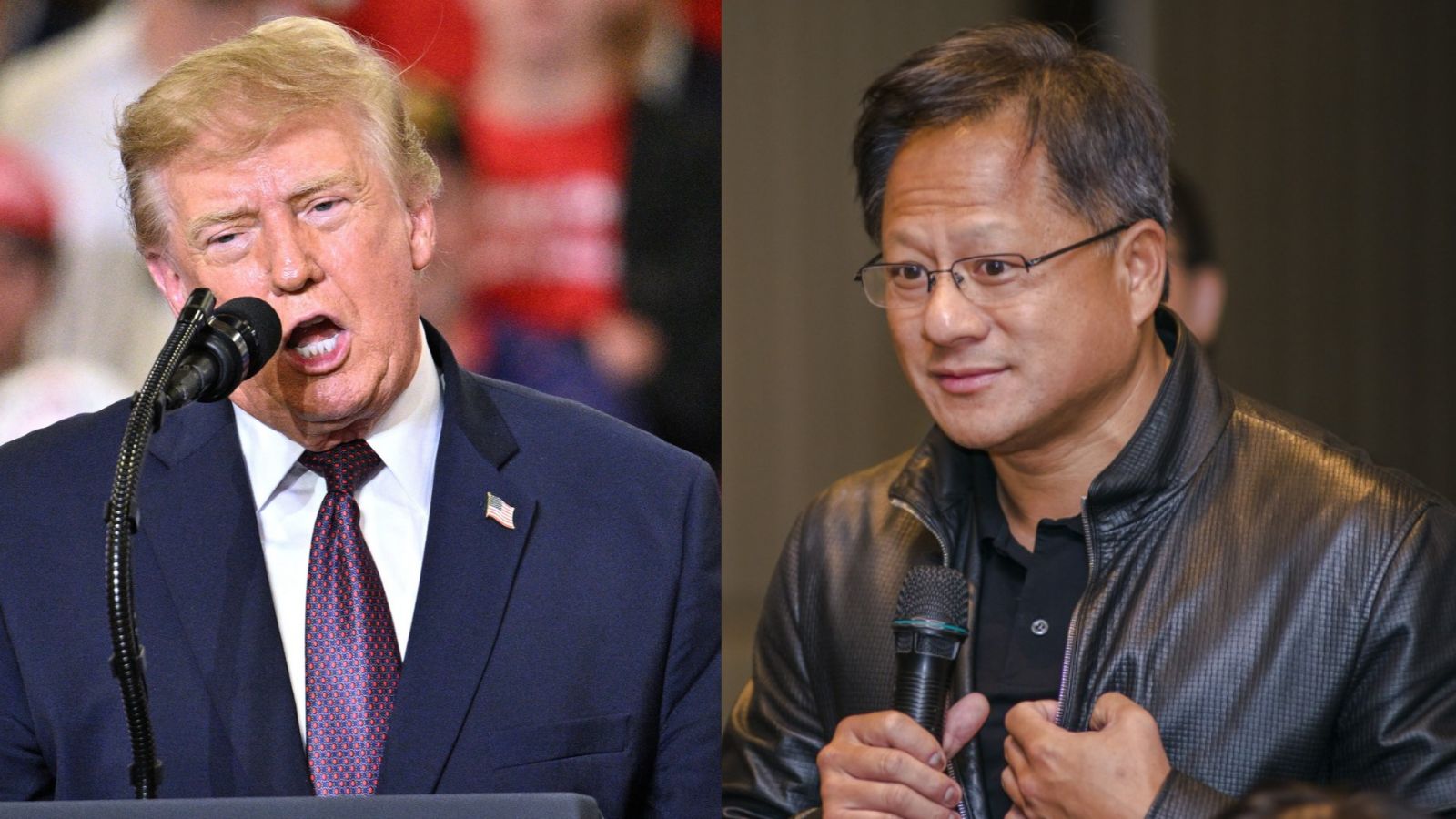
Previously, Huang also lobbied Trump to sell the less-advanced H20 chips, which were designed for the Chinese market while complying with US export restrictions.
Allegations aimed at destabilising US-China relations: Chinese media
Chinese media have largely focused on Huang admitting to the affair, and state media outlets have mainly echoed the official government line. Some have said the The New York Times report was aimed at destabilising US-China relations.
“Whenever China-US relations begin to improve, there are often those firing shots from the shadows,” the state-owned Global Times said.
Controversy stokes export scrutiny risks for South Korean chipmakers
South Korean semiconductor manufacturers Samsung Electronics and SK hynix could face potential increases in export compliance burdens following scrutiny over Nvidia's artificial intelligence chip distribution channels linked to China, according to a news report by The Korea Herald.
The situation has prompted fresh regulatory attention toward corporate measures against espionage and the diversion of advanced computing components.
Any resulting measures introduced by United States authorities threaten to affect domestic suppliers of high-bandwidth memory chips, which serve as essential components within Nvidia's AI accelerator hardware. United States authorities, however, announced no fresh regulatory curbs regarding the matter.
(With inputs from AP via PTI & ANI)