



Jerusalem: Israel's Central Election Committee (CEC) has approved the results of the October 27 election despite allegations of electoral fraud and foreign interference, setting the stage for President Isaac Herzog to begin consultations on forming a new government.
CEC chairman Noam Sohlberg presented the results to Herzog on Wednesday, warning that attempts to undermine their legitimacy posed "a real danger" to Israeli democracy.
Sohlberg, a Supreme Court justice, said that even if suspicions of electoral fraud were confirmed, their potential impact would not be sufficient to invalidate the overall results.
"In recent days, we have heard voices trying to cast doubt on the election results and undermine their legitimacy. This is a real danger," Sohlberg said at a ceremony at the President's official residence.
"One of the foundations of democracy is the ability to have a peaceful transfer of power. This stems from the understanding that the will of the electorate obligates us all," he said.
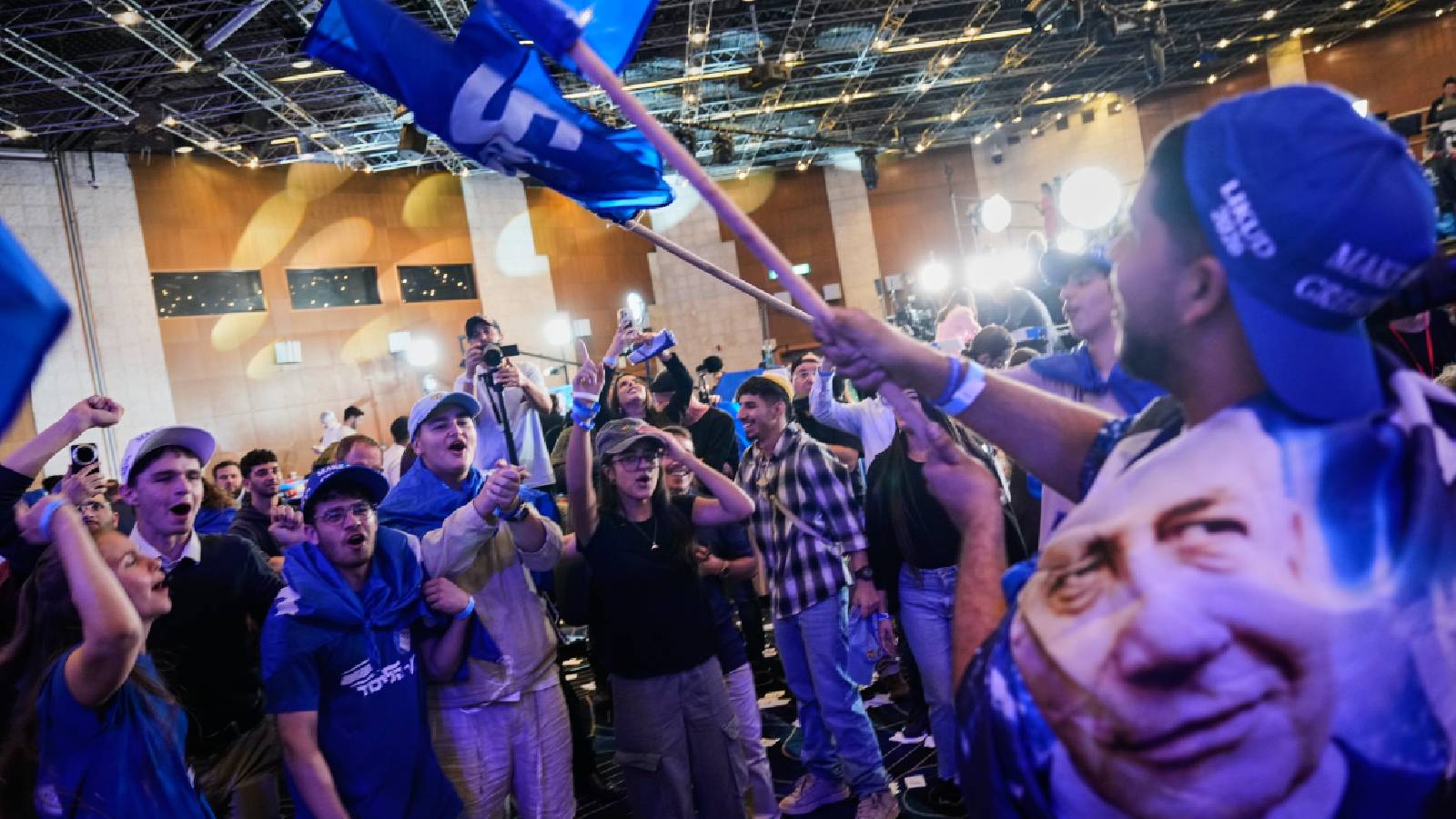
Prime Minister Benjamin Netanyahu's Likud party and its coalition partners had alleged electoral fraud and called for the publication of the results to be delayed.
Sohlberg said CEC members had received a summary of the ongoing investigation into the allegations on Wednesday morning and had insisted that all suspicions be thoroughly examined.
"At the moment they are only suspicions, but even if they are confirmed the extent of their possible impact is limited. Therefore, it is not possible to not publish the election results … and extend the term of the Knesset which has ended its term," he said.
"Accordingly, we publish the elections now. If evidence is found going forward, it will be possible to act on the path set out by law for appealing the election results," Sohlberg added.
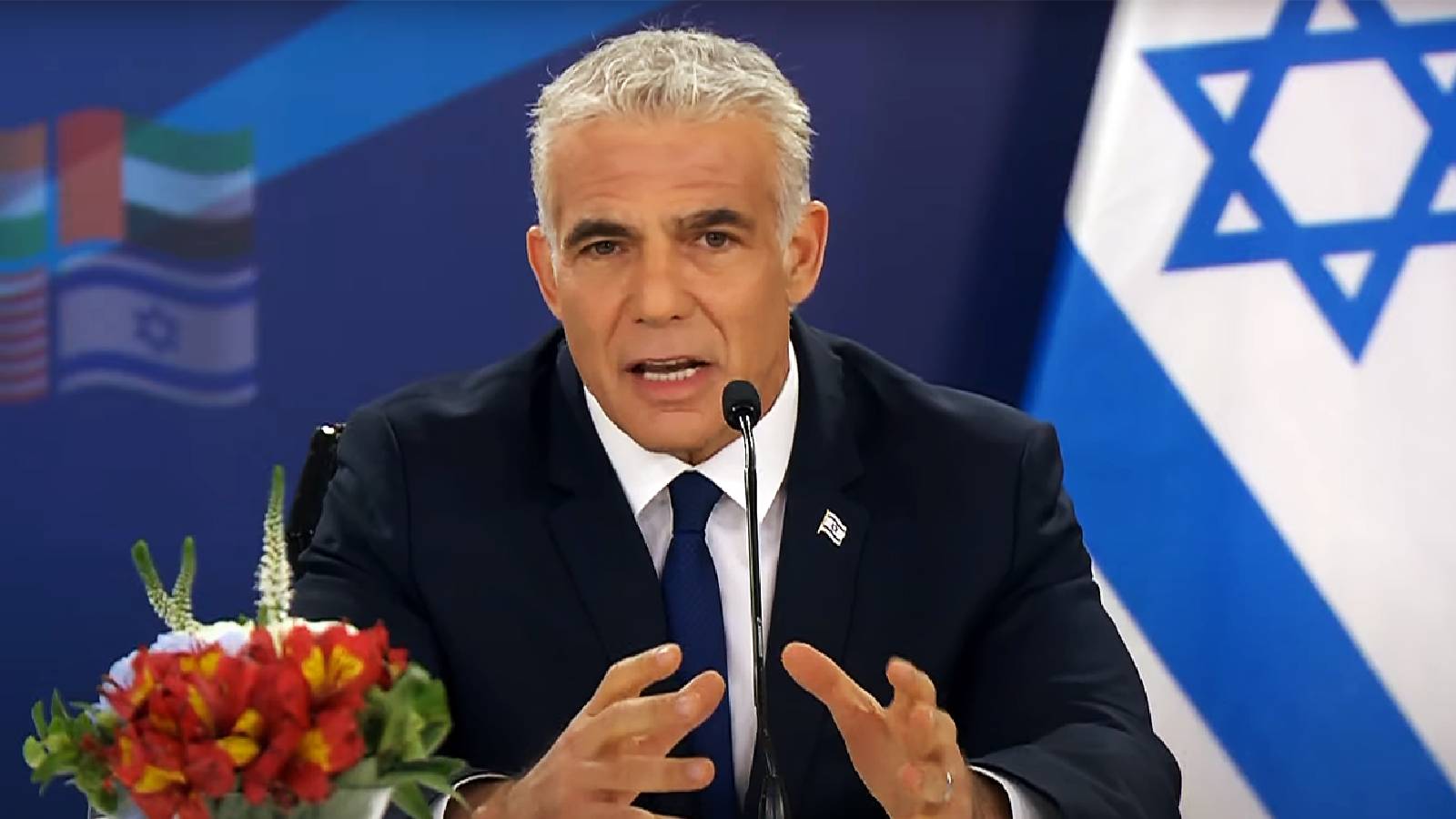
He also cautioned against questioning the legitimacy of voting in Arab communities.
"We must not cast doubt on voting in Arab society, just as we must not cast doubt on any other group in Israeli society," he said.
"Disagreements do not have to end when the votes are counted, but the results are binding on all of us," he added.
Herzog calls for investigation into foreign interference
Herzog said he had "full confidence" in the work of the Shin Bet security agency, police and other law enforcement authorities investigating allegations of foreign interference in the election.
"Any suspicion of subversive external influence on the election results must be thoroughly investigated by the Shin Bet and the police," he said, urging the public to remain patient.
The president also warned against "vilifying" Israel's Arab community and condemned racist remarks made recently.
"Beware of generalisations. I have great respect for Arab society in Israel. I value its contribution to the country in every area of life and its desire to integrate," Herzog said.
"The elections are over. Now is the time to face reality," he added.
Herzog is scheduled to consult representatives of political parties elected to the Knesset before deciding whom to nominate to form the government. The president will consider the parties' endorsements when selecting a candidate.
The person chosen will have 28 days to form a coalition. Herzog can grant an additional 14 days if he considers more time necessary.
Also Read:
Election committee approves results after review
The CEC approved the election results by 15 votes to 14, with two abstentions, earlier on Wednesday. It said allegations of irregularities remained under investigation but did not justify withholding the results.
Sohlberg said the claims concerning aspects of the electoral process remained unsubstantiated and did not undermine the integrity of the election as a whole or warrant rejecting its outcome.
The committee said it had found no evidence of irregularities affecting the integrity or results of the election after reviewing more than 9,000 polling stations, representing approximately 75 per cent of the total.
The six-day review involved more than 250 lawyers and committee staff. At 350 polling stations, the CEC conducted what it described as an "in-depth examination" of voting materials and documentation.
It also examined around 2,400 complaints submitted by political parties and candidate lists concerning 1,350 polling stations, along with approximately 1,200 complaints from members of the public involving 750 polling stations.
Likud alone reportedly filed around 1,200 complaints alleging irregularities at polling stations in Arab communities.
The decision came after the Shin Bet informed the committee that it had intelligence indicating that foreign actors with undisclosed or hostile interests had transferred large sums of money from abroad in an attempt to influence the election.
According to local media reports, the agency said the information gathered so far suggested that "the sums involved are substantial and that the activity extends beyond thousands of individuals".
However, law enforcement and police sources were quoted as saying they were unfamiliar with claims that "vast sums" of money were involved or that the suspected activity extended to thousands of people.
The investigation into possible foreign interference remains ongoing.
Election produces divided Knesset
The October 27 election produced a fragmented mandate, with Netanyahu's Likud emerging as the largest party. His political bloc held a narrow advantage over its rivals but fell short of a parliamentary majority.
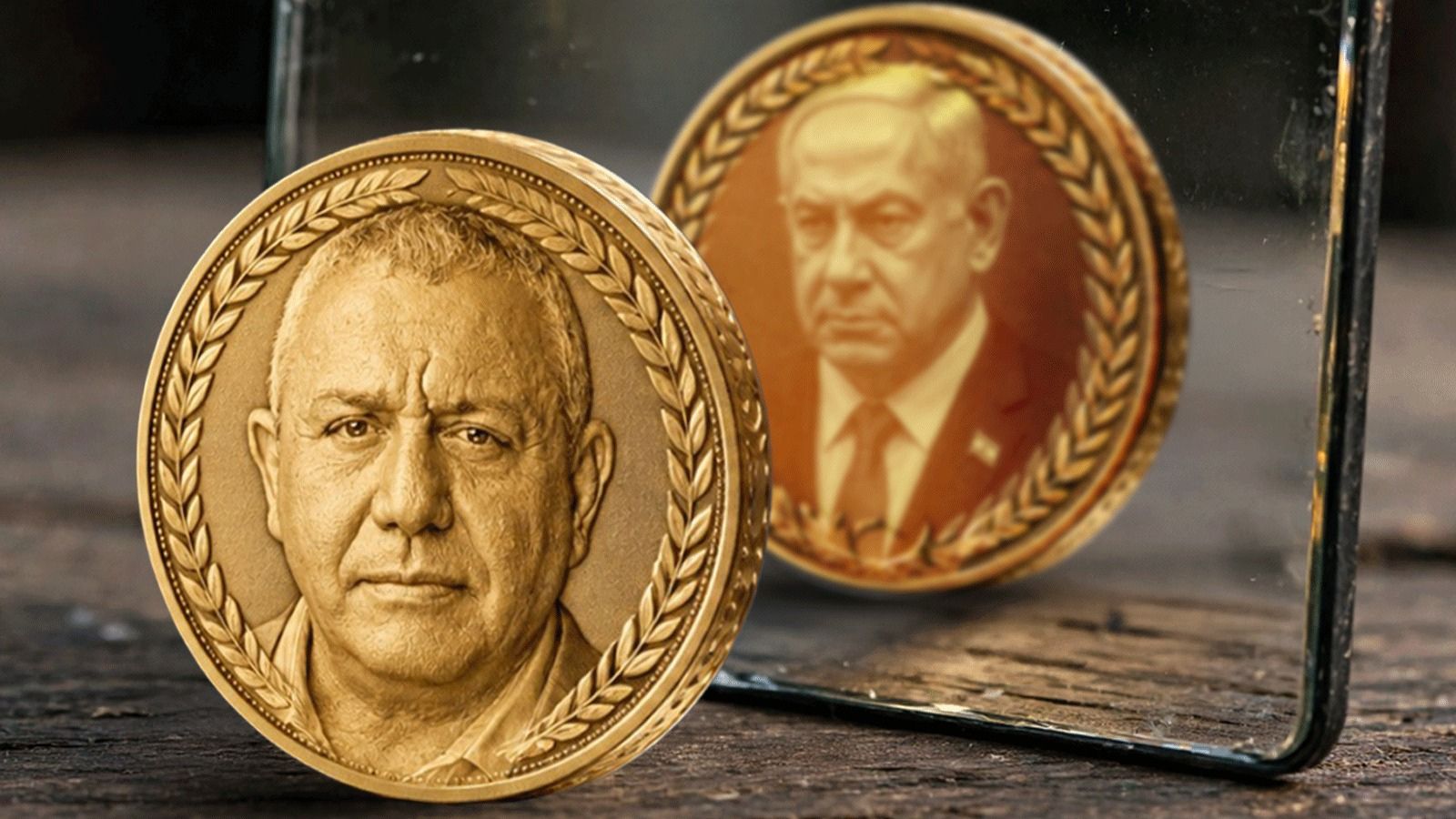
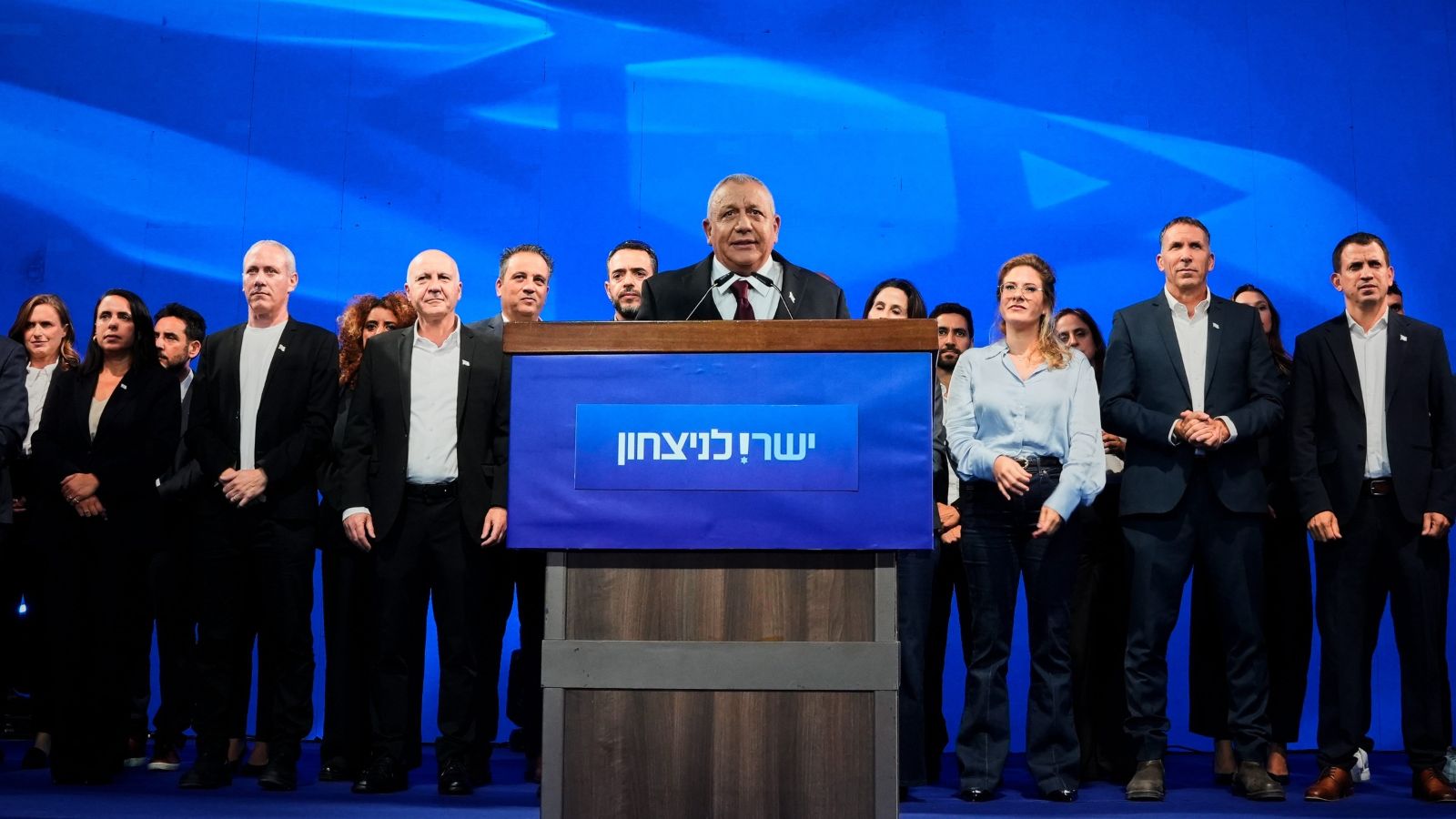
Neither Netanyahu's bloc nor the opposition's "change bloc", led by his main rival and former military chief Gadi Eisenkot, secured enough seats to form a government independently.
The result has raised the possibility of negotiations with smaller parties, including Arab-led groups, as political leaders seek to assemble a governing coalition.
The opposition bloc has pledged to work towards removing Netanyahu, Israel's longest-serving prime minister, from power.
Arab parties won 19 of the Knesset's 120 seats, giving them potential leverage in negotiations in the deeply divided parliament.
If neither Netanyahu nor Eisenkot manages to form a government, Israel could face another election early next year.