

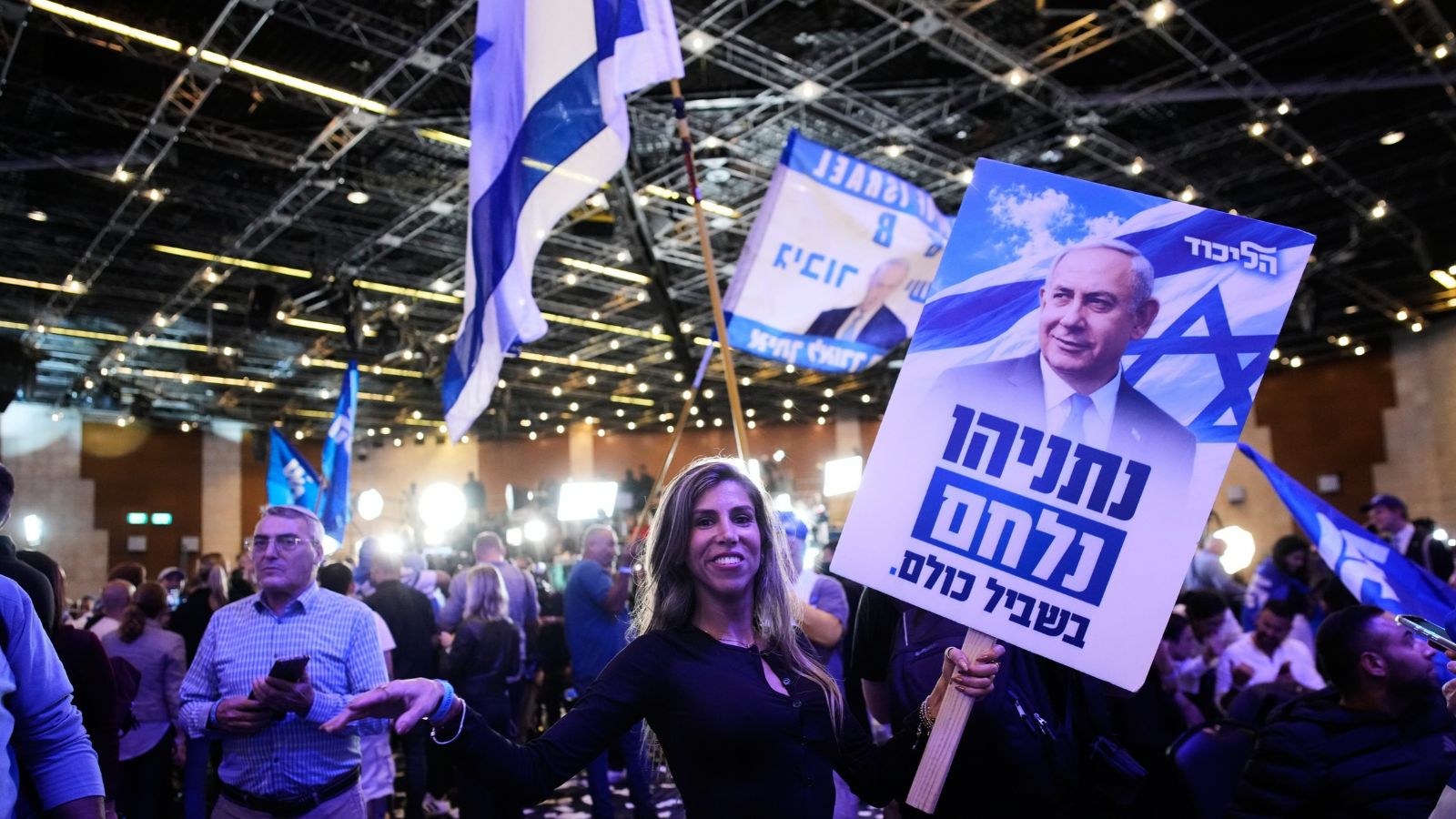


Israel; Türkiye: Israel's incoming political parties have begun appointing key parliamentary leaders ahead of the swearing-in of the 26th Knesset on 10 November, as security agencies investigate alleged foreign interference in the recent national election.
The appointments come amid political tensions following the election, with the pro-Netanyahu bloc falling short of a parliamentary majority and allegations of foreign influence prompting denials from Qatar and Türkiye.
Eisenkot and Bennett appoint faction chairs
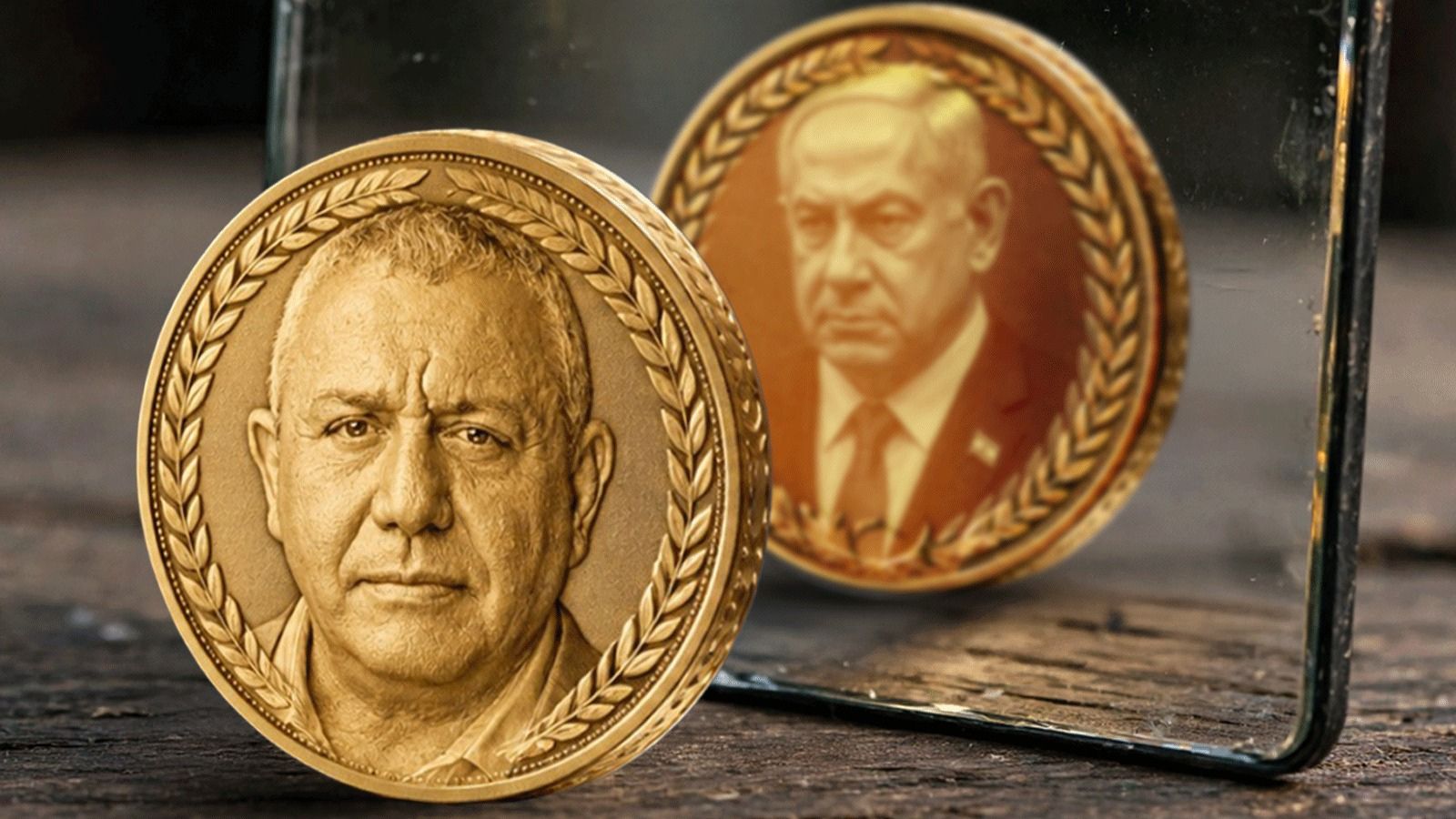
Former Israel Defence Forces chief of staff and Yashar party leader Gadi Eisenkot has appointed incoming lawmaker Roi Folkman to lead the party's parliamentary delegation.
In an announcement on X, Eisenkot described Folkman as an experienced politician with intellectual sharpness, creativity and proven leadership abilities.
"I have appointed incoming Knesset Member Roi Folkman as the Chairman of the Yesh Atid faction in the 26th Knesset," Eisenkot wrote.
He expressed confidence in Folkman's ability to begin delivering on voters' expectations when the new Knesset session opens, adding that the party had a responsibility towards Israeli citizens.
Meanwhile, according to The Times of Israel, B'Yachad chair Naftali Bennett has appointed lawmaker Eitan Ginzburg as his party's Knesset faction chair.
Ginzburg previously served as a member of the Blue and White party in the outgoing parliament. Born in Argentina, he briefly served as communications minister for one month and 11 days before the Netanyahu-Gantz government was dissolved in June 2021.
Faction chairs play key administrative roles in managing parliamentary affairs, coordinating party strategy and maintaining legislative discipline.
Also Read:
Mossad reportedly joins foreign interference probe
Israel's Mossad intelligence agency is reportedly assisting the Shin Bet security service in an investigation into alleged foreign interference in the national election.
Citing an unverified report by Channel 12, The Times of Israel reported that the inquiry, initially focused on allegations involving Qatar, has reportedly expanded to include Türkiye. According to a report by Ynet cited by The Times of Israel, investigators are examining alleged influence campaigns involving both countries, including claims that Arab voters were offered money to increase turnout.
The Central Elections Committee (CEC) has stressed that the investigation is limited in scope and does not cast doubt on the overall election results.
Earlier on Thursday, the Shin Bet said intelligence relating to alleged voter fraud came entirely from internal information on foreign influence campaigns, rather than from "any political party or political actor on either side of the political map".
The agency said access to the intelligence had been restricted to internal security personnel and CEC chair Justice Noam Sohlberg until polling ended.
It also stressed that the investigation was being conducted within its legal mandate, with all measures handled by professional staff and internal legal counsel.
Addressing allegations of substantial Qatari funding intended to influence Arab voter turnout, the Shin Bet described its inquiry as "focused and limited in scope, and does not cast aspersions on or accuse an entire sector that went out to vote democratically and legally".
"Only those who acted in violation of the law will be dealt with," the agency said.
The Shin Bet confirmed that its chief, David Zini, had briefed Prime Minister Benjamin Netanyahu, Yashar leader Gadi Eisenkot and opposition leader Yair Lapid on the suspicions under review. The meetings were held with the authorisation and at the request of Sohlberg.
The agency said the investigation remained active and that its findings would be submitted directly to Sohlberg, who is the authorised decision-maker in the matter. It cautioned that statements about the content or nature of the suspicions did not necessarily reflect the agency's position.
Also Read:
Qatar and Türkiye reject allegations
Qatar has strongly denied allegations that it interfered in Israel's election or funded activities intended to influence the outcome.
In a statement published on X, Qatari Foreign Ministry spokesperson Majed Al Ansari accused certain Israeli politicians of using Qatar's name to serve domestic political interests and deflect responsibility for their own failures.
"We categorically deny allegations that Qatar has interfered in Israeli elections or funded any activities intended to influence their outcome," Al Ansari said.
He rejected accusations made by Israeli politicians and their media contacts, describing them as another disinformation campaign seeking to draw Qatar into Israel's political disputes.
Al Ansari also questioned the repeated allegations against Doha, saying: "They accuse Qatar of buying off Benjamin Netanyahu, the Israeli political left and now, in this latest campaign, the Arab vote. If these claims were to be believed, Qatar would apparently own all of Israel."
He described Qatar as a scapegoat for Israeli politicians and called on the country's leadership to address domestic issues.
Türkiye has also rejected allegations of interference in the election, calling them "entirely baseless".
"The allegations are part of a deliberate and blatant disinformation campaign aimed at manipulating public opinion," Türkiye's Communications Directorate's Centre for Countering Disinformation said on the social media platform NSosyal, according to the Anadolu Agency.
The centre urged the public not to believe reports and allegations it said were intended to mislead.
Meanwhile, Israeli Arab political parties have also rejected allegations linking them to suspected foreign funding and interference in the election.

Netanyahu rules out government with Arab parties
The investigation has unfolded amid heightened political tensions over the role of Arab parties in the next government.
Netanyahu described the controversy surrounding alleged foreign interference as an "earthquake", claiming that foreign entities had intervened in the election in favour of Arab parties. He called on Zionist parties to reject cooperation with Ra'am and the Joint List.
National Security Minister and Otzma Yehudit chair Itamar Ben Gvir called for the arrest of Arab party leaders and alleged that Qatari money was involved.
On Friday, Netanyahu shared a video on X featuring excerpts from speeches and statements by Arab political leaders and opposition lawmakers, including Ahmad Tibi, Iman Khatib-Yasin, Mansour Abbas, Sami Abu Shehadeh, Ofer Cassif, Yousef Jabareen and Ayman Odeh.
He reiterated his opposition to forming a government with Arab parties, saying: "It is forbidden to form a government with them."
Election results leave Netanyahu bloc short of majority
The CEC has published the final results of the national election, confirming the distribution of seats in the 26th Knesset.
Netanyahu's pro-government bloc secured 53 seats, while the anti-Netanyahu bloc won 48. Arab factions secured 19 seats, leaving the pro-Netanyahu bloc short of the majority required to form a government.
Also Read:

According to The Times of Israel, Netanyahu's Likud emerged as the largest party with 27 seats, followed by Yashar with 21.
B'Yachad secured 12 seats, while the Joint List won 11. The Democrats and Ra'am obtained eight seats each. Yisrael Beytenu, United Torah Judaism, and Otzma Yehudit won seven seats apiece, while Shas and Religious Zionism secured six each.
Voter turnout stood at 77.9 per cent, with 5,716,665 votes cast.
The Reservists, which received 2.7 per cent of the vote, People of Israel with 1.7 per cent and Charedi Public with 0.2 per cent failed to cross the 3.25 per cent electoral threshold.
The final official results are due to be submitted to Israeli President Isaac Herzog on 4 November, following checks for possible errors or inquiries. The newly elected Knesset is scheduled to be sworn in on 10 November.