

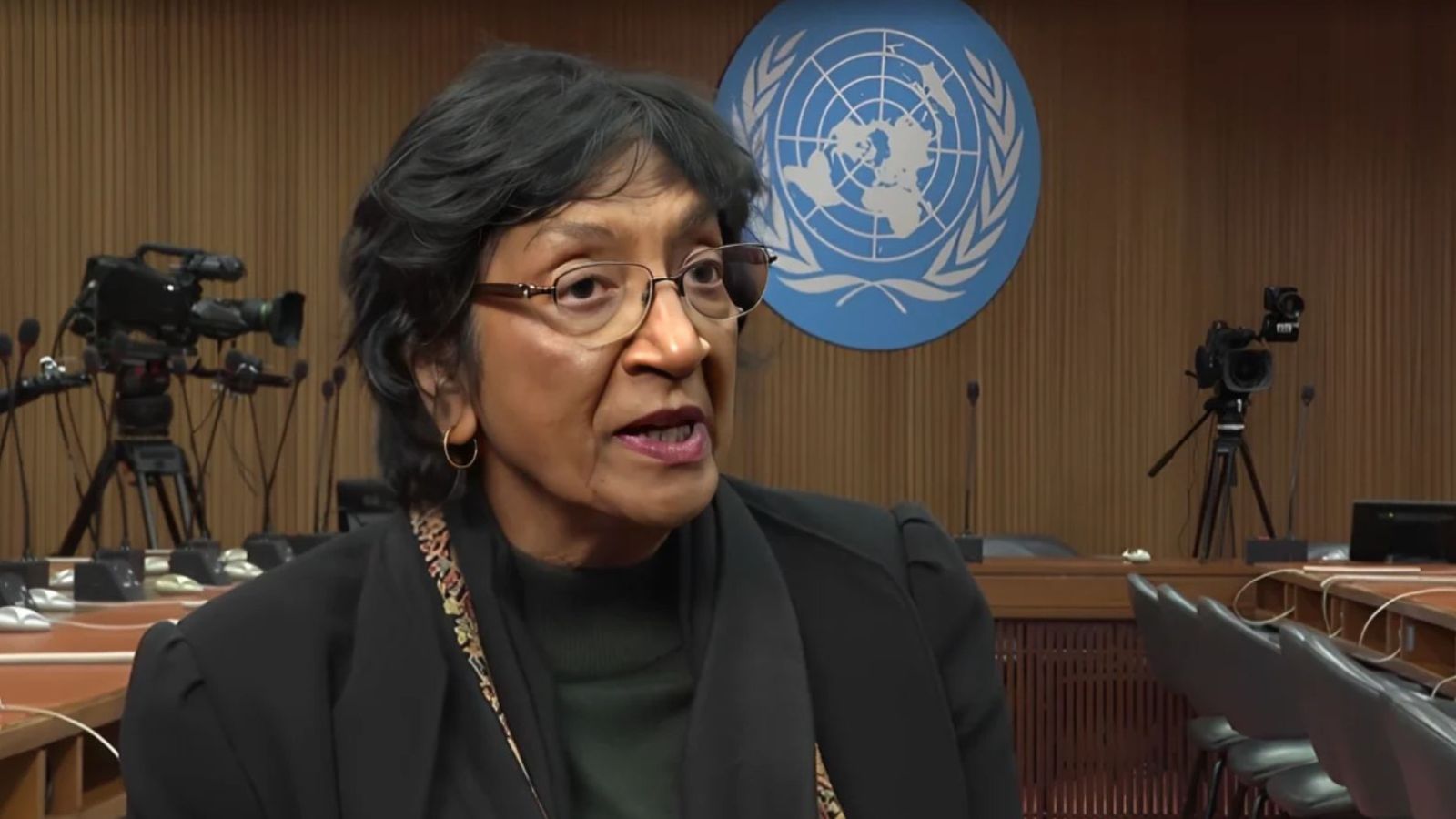


Navi Pillay, a prominent international jurist known for her work on human rights and accountability, has built a career spanning South Africa’s apartheid era and some of the most significant international legal proceedings of recent decades.
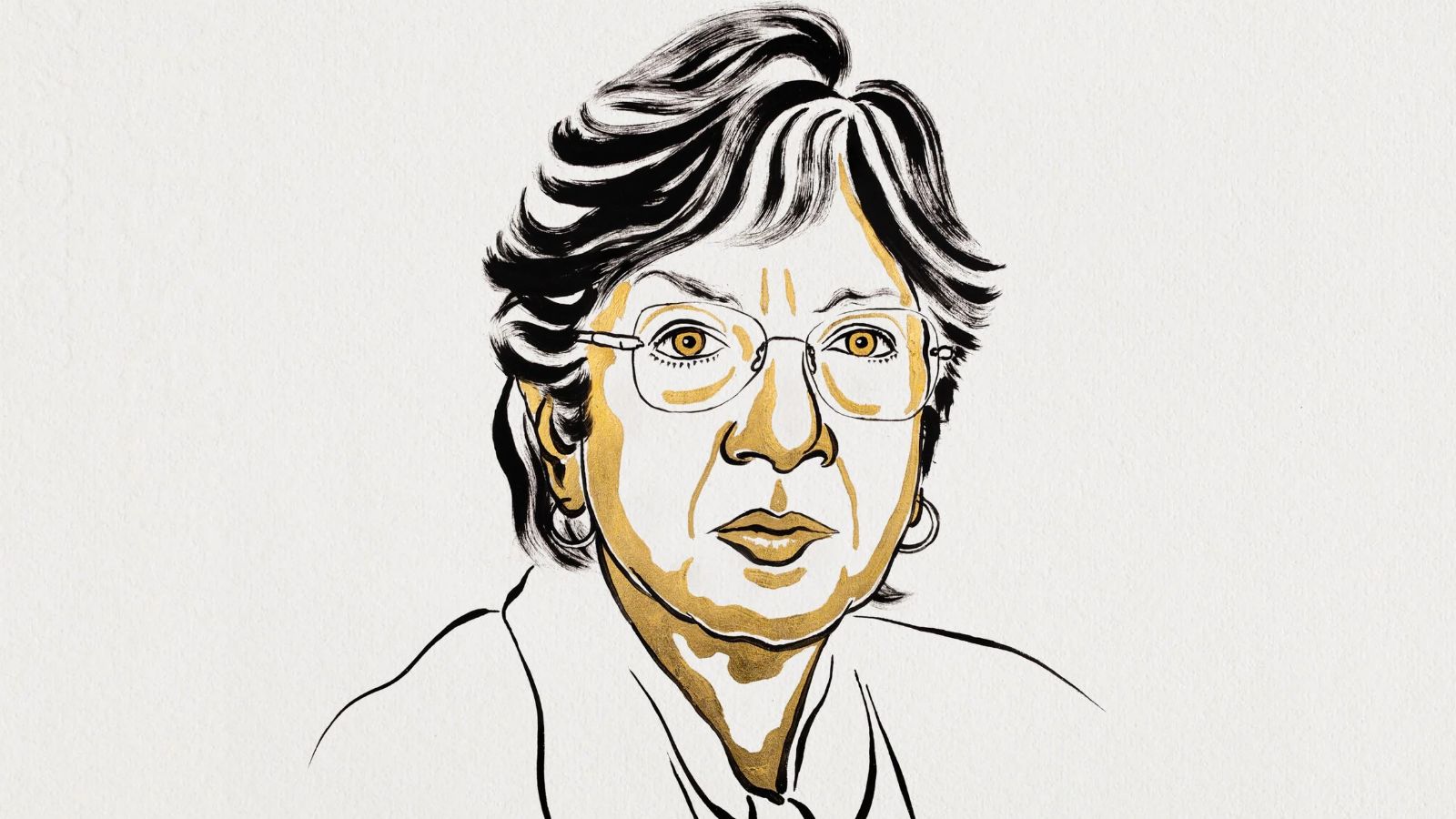
Born Navanetham Naidoo to Narrainsamy Naidoo and Santhama Naidoo in 1941, into a family of Indian Tamil origin in Durban, South Africa, during apartheid, Pillay experienced a society marked by racial segregation and discrimination. She pursued law at a time when the country’s political and legal systems were deeply shaped by apartheid, eventually emerging as a lawyer who challenged structural inequality and defended those opposing the regime.
Her early legal work included defending anti-apartheid activists, including Nelson Mandela and others who resisted racial oppression. That experience helped shape a career focused on the rule of law, equality and the responsibility of individuals and governments to answer for their actions.
Pillay went on to serve as a judge on South Africa’s High Court and later joined the International Criminal Tribunal for Rwanda, where she played a significant role in landmark proceedings concerning genocide and sexual violence.
One of her most notable contributions came during the tribunal’s case against Jean-Paul Akayesu, a former Rwandan mayor convicted of genocide. The judgment established that rape and sexual violence could constitute acts of genocide when committed with the requisite intent to destroy a protected group. It also recognised rape as a crime against humanity under the circumstances established in the case. Pillay’s contribution helped advance the recognition of sexual violence as a grave international crime.
The proceedings also marked a major development in addressing incitement to genocide, including the prosecution of individuals who used propaganda to encourage mass violence.
Pillay’s career subsequently took her to the International Criminal Court, where she served as a judge, and to the United Nations, where she was appointed High Commissioner for Human Rights. In that role, she advocated for the protection of fundamental freedoms and accountability for violations, reinforcing the importance of international human rights standards.
She later chaired the United Nations Independent International Commission of Inquiry on the Occupied Palestinian Territory, contributing to international scrutiny of alleged violations. Her wider work has consistently emphasised that states and political leaders are not above the law.
Pillay has also served in proceedings before the International Court of Justice, including the case brought by The Gambia against Myanmar over allegations of genocide against the Rohingya. The case has become a significant test of the international community’s commitment to enforcing the Genocide Convention.
Across her career, Pillay has helped strengthen the institutions and principles of international justice. Her work has brought greater recognition to the experiences of victims of mass violence and reinforced the role that courts can play in addressing atrocities and preventing impunity.
Her professional journey, from challenging apartheid in South Africa to serving in international judicial and human rights institutions, reflects a sustained commitment to the rule of law and the principle that serious human rights violations must carry consequences.
(This story was compiled by Aaron Philip Keechireth)