


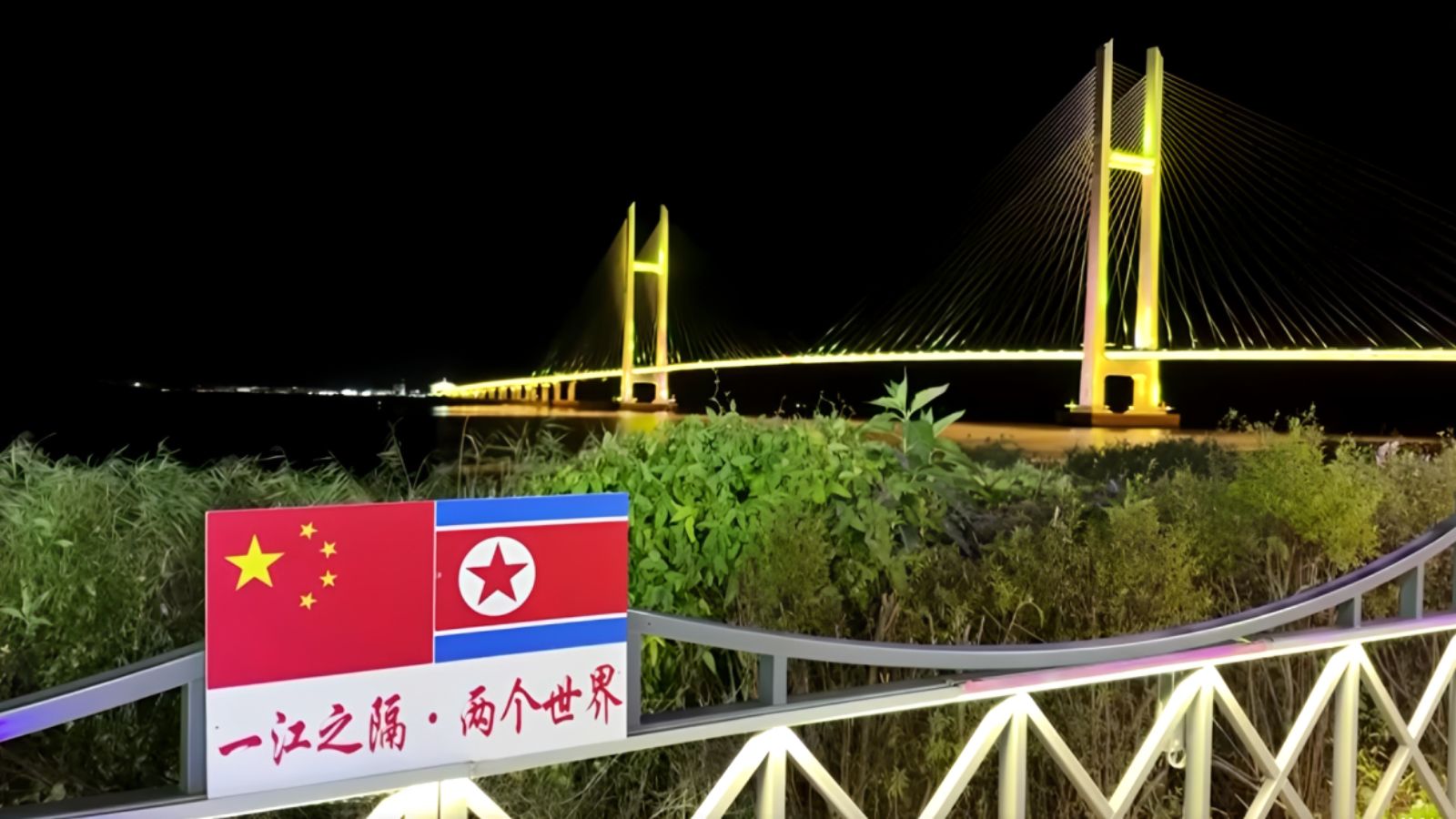


China: North Korea and China are expected to open the long-delayed New Yalu River Bridge soon, with the move reflecting aligned interests between the two neighbours, although China had the greater need to advance the project, a South Korean analyst said.
The 3 km dual-carriageway bridge connects the Chinese border city of Dandong with Sinuiju in North Korea and is intended to replace the ageing, single-lane Sino-Korean Friendship Bridge as the main route for road trade between the two countries.
“I would say China played the bigger role (in the expected bridge opening),” said Cho Han-bum, a senior research fellow at the Korea Institute for National Unification in Seoul.
Also Read:

“China needs to maintain its influence over North Korea. With North Korea having tilted toward Russia amid closer North Korea-Russia ties, normalizing relations with North Korea became important from a diplomatic and security perspective,” Cho said.
China is by far North Korea’s largest trading partner, but the opening of the new bridge carries added significance as the isolated state gradually reopens after the pandemic and expands links with both Beijing and Moscow. It underscores Pyongyang’s efforts to balance relations with its two key economic and strategic partners.
For North Korea, which has secured considerable leverage through its ties with both China and Russia, “improving relations with Beijing could reduce the burden of becoming overly dependent on either side”, Cho said. “There’s no reason to delay the opening now.”
China completed the bridge in 2014, but it remained unused for more than a decade after North Korea failed to build connecting roads and customs facilities on its side. Construction accelerated this year following Chinese President Xi Jinping’s visit to North Korea in June, with Pyongyang completing customs and immigration facilities and paving roads leading to the crossing.
The expected opening also comes after North Korea and Russia opened their first road bridge across the Tumen River, adding another transport link as Pyongyang expands economic and strategic cooperation with its two traditional partners.
Cho said keeping the four-lane New Yalu River Bridge closed after the smaller, two-lane Russia crossing opened would have added to strains between Pyongyang and Beijing.
Dandong’s economy was another important factor for China.
“China has also built a new city near the New Yalu River Bridge, but it is almost a ghost town. So, from the perspective of the local economy, it is very important for China to revitalise this area,” Cho said.
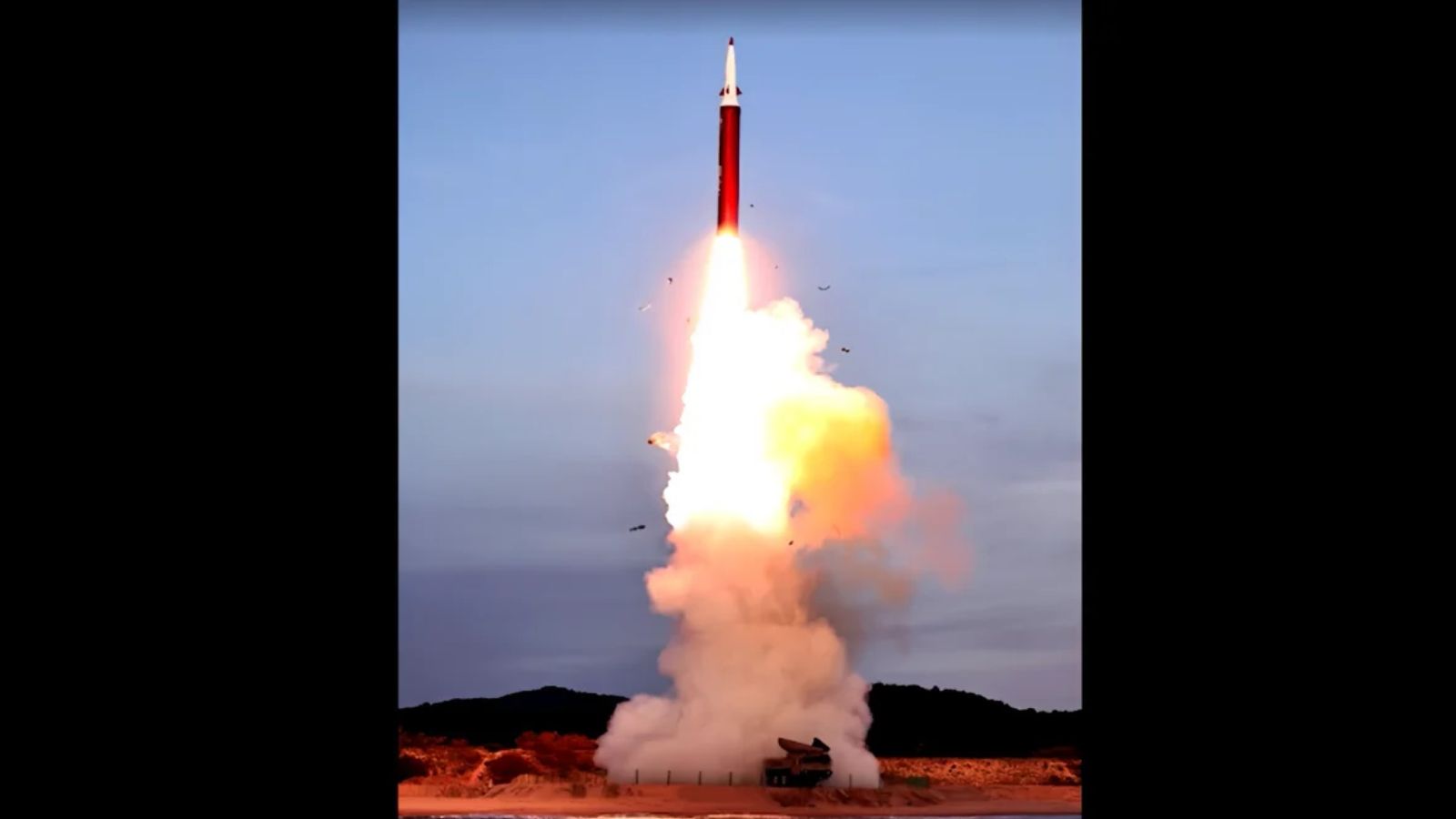
The bridge was originally intended to connect development and free-trade areas in Dandong and Sinuiju and signal Beijing’s efforts to encourage cautious, export-oriented economic reforms in North Korea. But ties deteriorated as Pyongyang pressed ahead with nuclear and missile tests, leaving its side of the project unfinished.
While the crossing is expected to become the largest road trade route between the neighbours, Cho said its immediate commercial impact could be limited.
“In the short term, as long as the structural environment of sanctions against North Korea remains unchanged, it is unlikely that cargo volumes will surge noticeably,” he said.