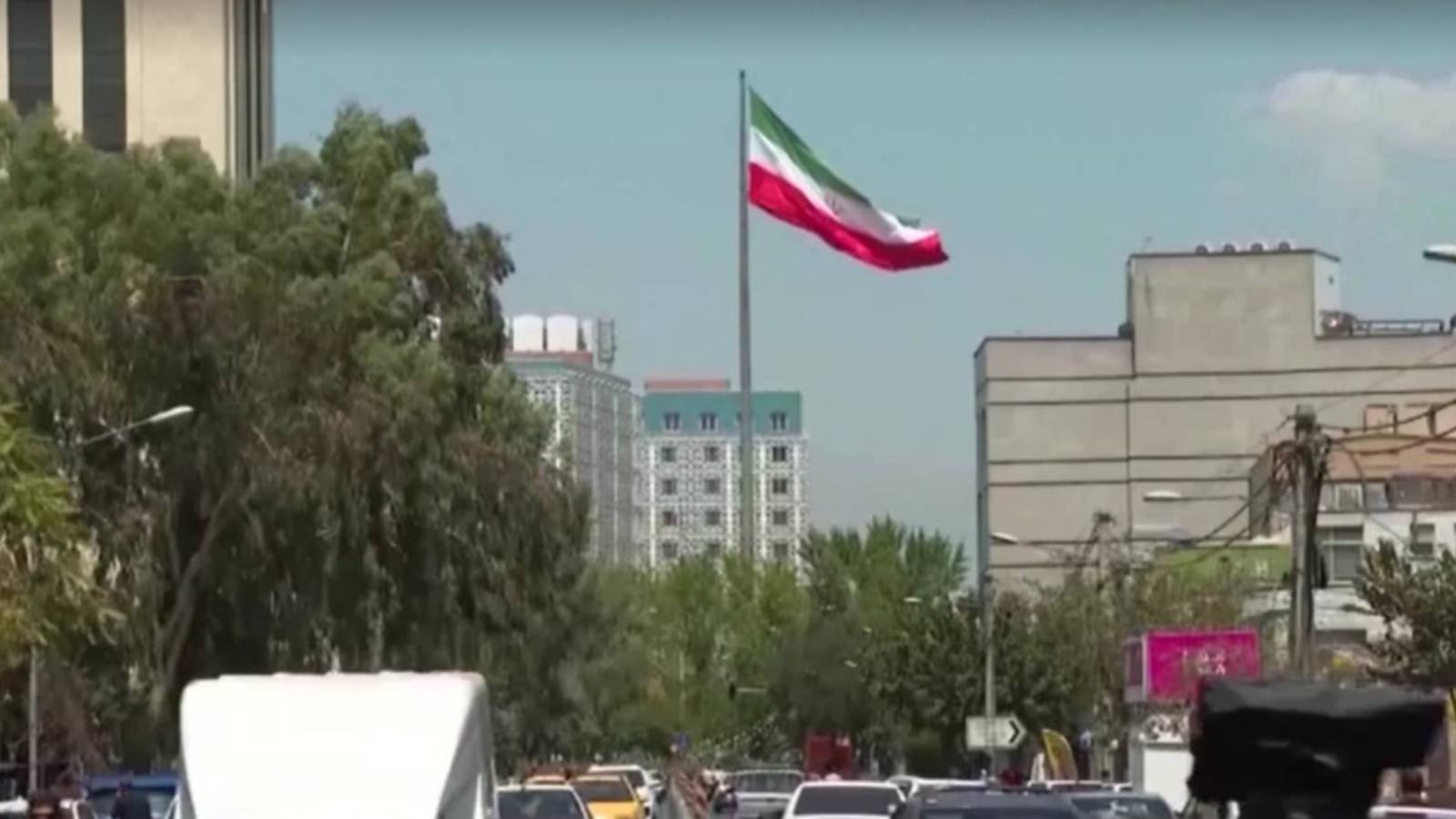


Tehran: Pakistan Interior Minister Mohsin Naqvi landed in Tehran on Monday for talks with Iranian leaders and officials, as Islamabad seeks to revive its diplomatic efforts to ease tensions between Iran and the US amid a continuing standoff.
Naqvi was received by his Iranian counterpart Eskandar Momeni, Iranian state-run news agency IRNA reported.
“Exchanging views on bilateral relations and the provisions of the agreement between the two countries that has been signed by the high officials of both countries are among the goals of this trip,” according to IRNA.
The visit comes at a time when Pakistan is seeking to revive an interim peace agreement, termed the Islamabad Memorandum of Understanding (MoU), signed by the US and Iran in June, which was disrupted by renewed military escalation between the two sides.
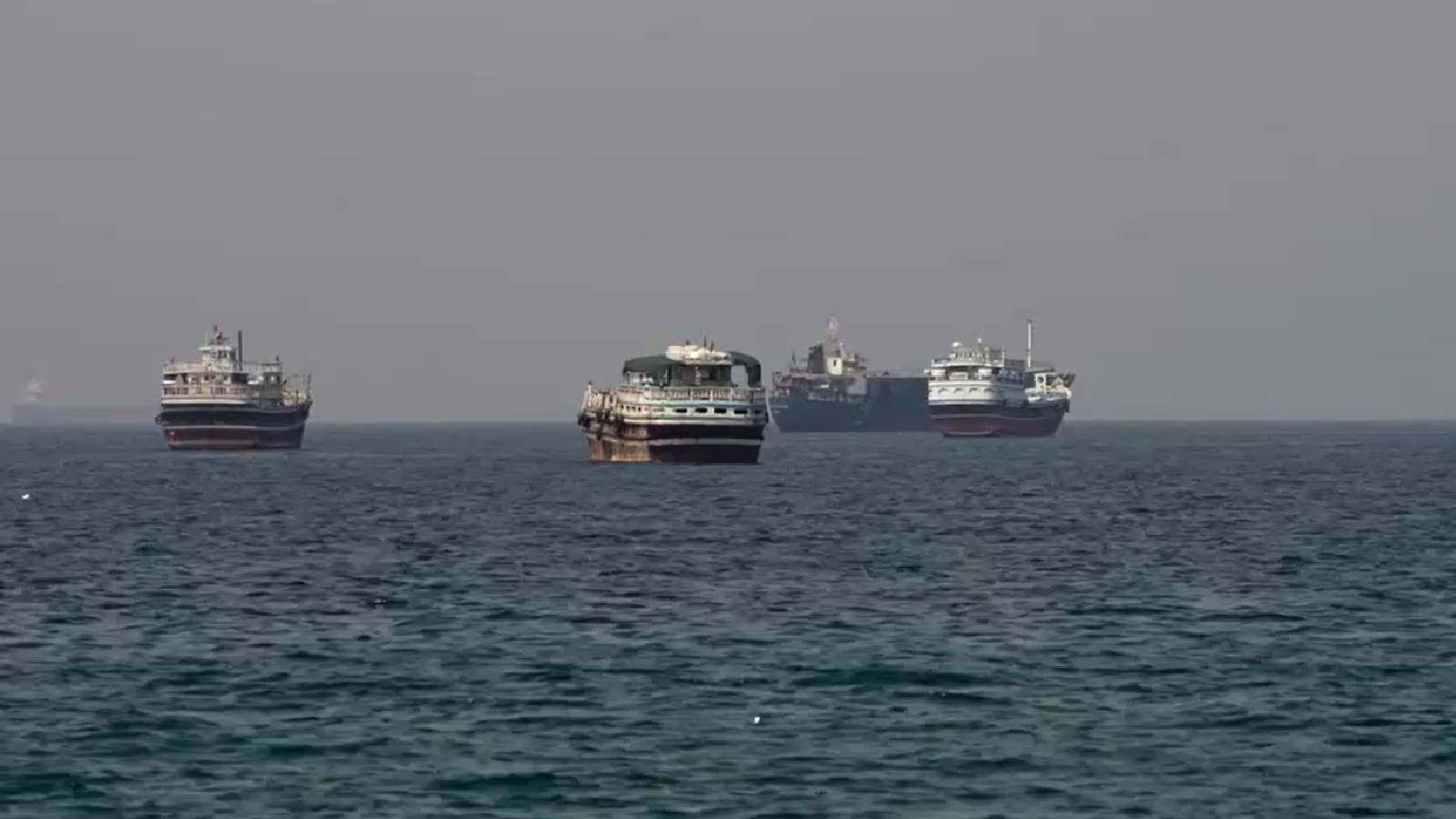
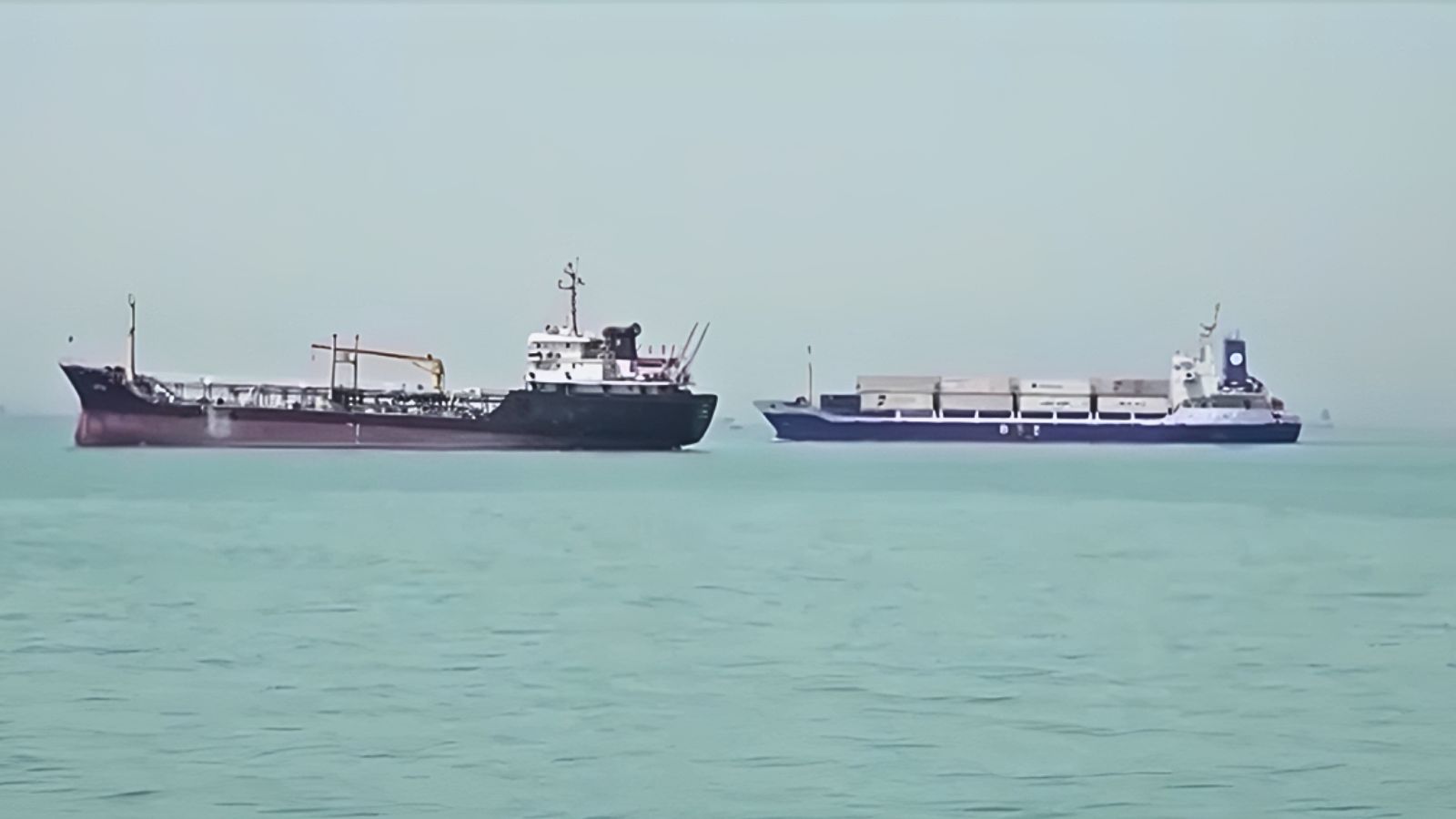
The key sticking point is the Strait of Hormuz. The waterway through which roughly a fifth of global energy supplies passed in peacetime effectively remains blocked.
Pakistan had played a key role in facilitating the US-Iran negotiations that led to the interim peace agreement, and it had signed the MoU as a guarantor. Islamabad has since sought to keep the diplomatic channel open.

Diplomatic sources familiar with the details of Naqvi’s visit said that, apart from bilateral matters, the ongoing regional tensions were the main focus of the talks.
“Pakistan has been trying to revive the Islamabad MoU and the visit is part of those efforts,” said one of them.
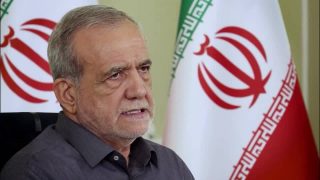
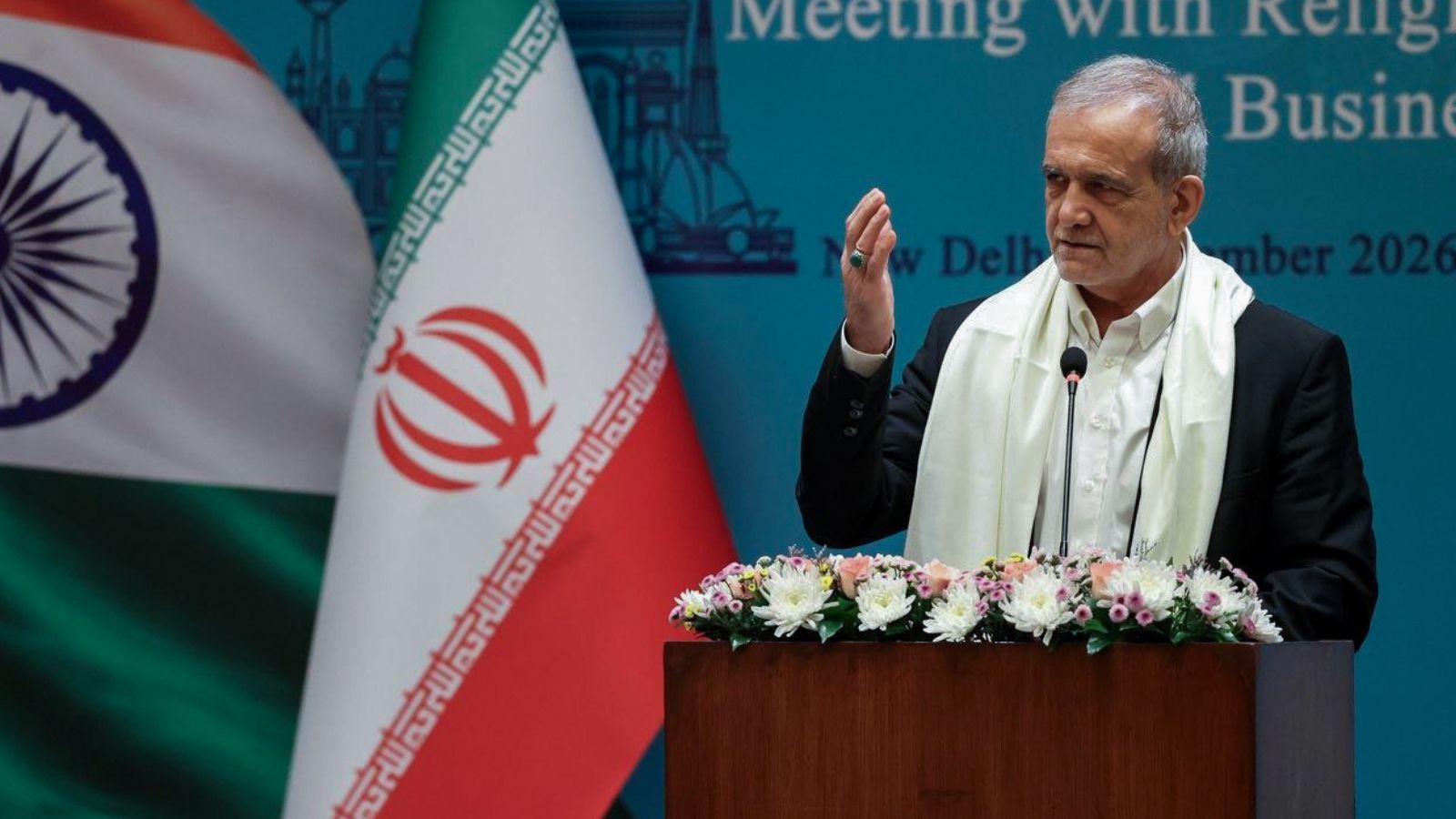
Naqvi has made several visits to Tehran in recent months as part of Pakistan's engagement with Iran. During his previous visit in August, he met Iranian President Masoud Pezeshkian and Foreign Minister Abbas Araghchi.
Naqvi is also considered close to Pakistan’s army chief Asim Munir. On several occasions, his visits to Iran have been followed by visits by the Field Marshal.
The visit also comes at a time when fighting between Saudi Arabia and the Iran-backed Houthis have intensified, with the former carrying out airstrikes against Houthi positions and the group launching drone and missile attacks against Saudi territory.
It has raised concerns over the security of Saudi energy infrastructure and shipping routes around the Red Sea and the Bab el-Mandeb Strait. Roughly 10 to 15 per cent of global maritime trade normally passes through them.
On Saturday, Pakistan’s Deputy Prime Minister and Foreign Minister Ishaq Dar spoke to Araghchi over the phone and stressed the importance of uninterrupted energy supplies and the safe and expeditious passage of ships, particularly given their implications for developing countries and global supply chains.