



“I hope my father receives the justice he deserves.”
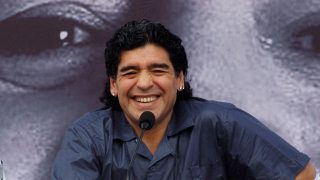
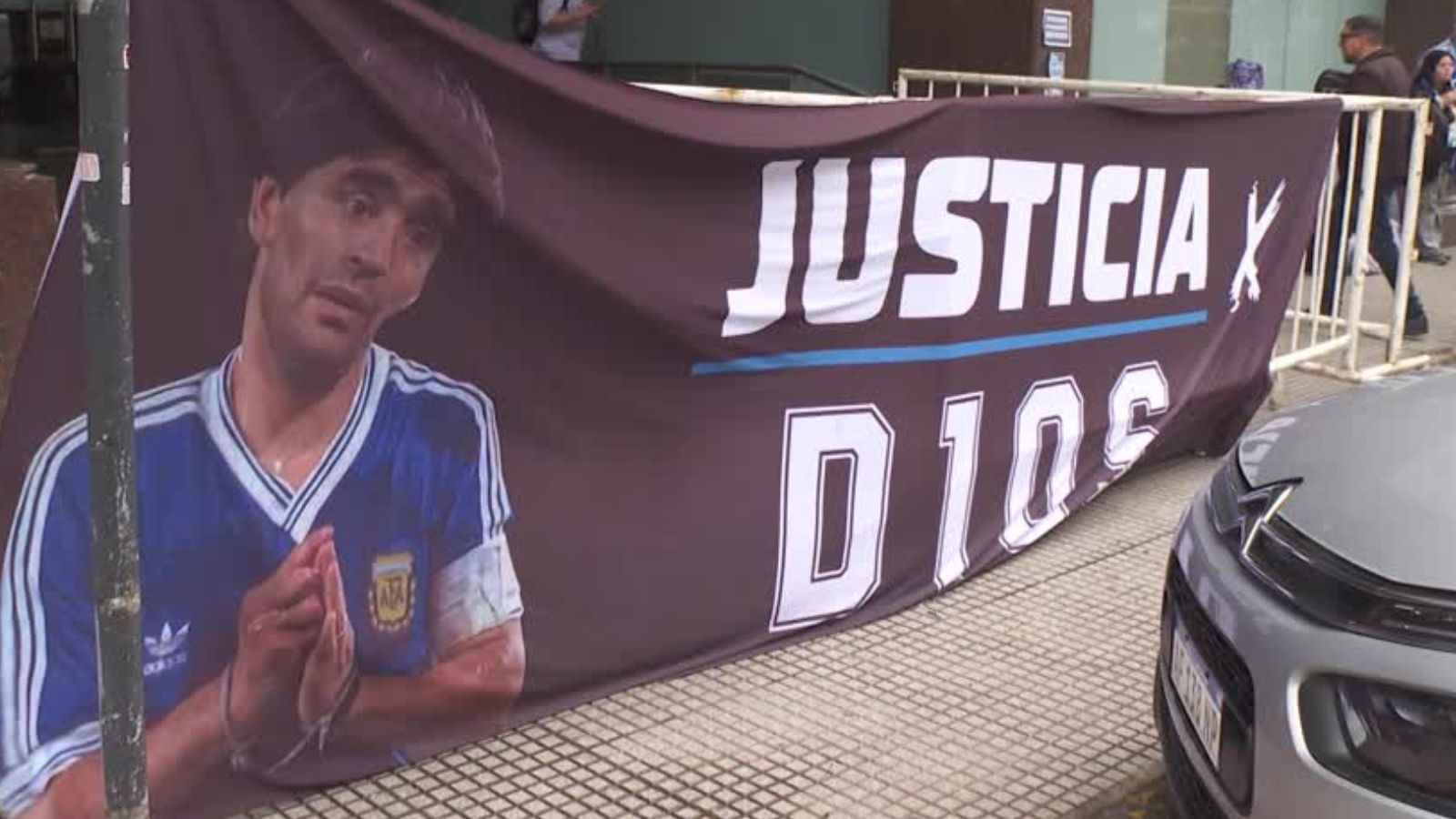
Argentine football legend Diego Maradona died on November 25, 2020, at the age of 60. Nearly six years later, the trial examining the circumstances of his death is approaching its end, with the verdict scheduled for December 22, 2026.
Seven healthcare professionals face charges of culpable homicide, a form of involuntary manslaughter under Argentine law, over alleged negligence in the care he received in his final days. If convicted, they face between eight and 25 years in prison. All have denied any wrongdoing.
Maradona, who captained Argentina's 1986 World Cup-winning team, suffered a cardiac arrest at a house in Tigre, north of Buenos Aires, 22 days after surgery on 3 November 2020 to treat a subdural haematoma. Prosecutors argue that members of his medical team knew the seriousness of his condition but failed to take the necessary steps to protect his life.
The defendants
The seven accused are:
-Neurosurgeon Leopoldo Luque
-Psychiatrist Agustina Cosachov
-Physician Nancy Edith Forlini
-Physician Pedro Pablo Di Spagna
-Psychologist Carlos Ángel Díaz
-Head nurse Mariano Ariel Perroni
-Nurse Ricardo Almirón
The court has examined the specific responsibilities of each defendant and whether their actions or omissions contributed to Maradona’s death.
The family’s case
Maradona’s children, including daughters Dalma and Gianinna and son Dieguito, have pressed for accountability. Their lawyers have pointed to leaked audio recordings and text messages that, they say, show the medical team recognised he was in danger and sought to limit family involvement.
A medical board appointed by prosecutors in 2021 concluded that the team had acted in an “inappropriate, deficient and reckless manner.” That finding has been central to the prosecution case, though the defence has strongly contested both the board’s conclusions and any claim of criminal responsibility.
First trial annulled
The original trial, which began in March 2025, was annulled in May that year after one of the judges was removed for participating in a clandestine documentary about the case. A retrial opened on April 14 2026 before a new panel of three judges in San Isidro. Around 100 witnesses gave evidence, among them Maradona’s daughters.
Closing arguments
Defence lawyer Francisco Oneto on 21 October told the court that neurosurgeon Leopoldo Luque had no responsibility for Maradona’s home hospitalisation and only limited duties after the brain surgery. He maintained that Maradona died from an unforeseeable cardiac event.
Vadim Mischanchuk, representing psychiatrist Agustina Cosachov, argued that home care was the responsibility of the private health insurer and a specialised home-care company. He said Cosachov’s role was confined to psychiatric treatment, that the medication prescribed was appropriate, and that it did not cause the death.
Mario Baudry, lawyer for Maradona’s former partner Verónica Ojeda, delivered one of the strongest attacks on the defendants: “Unfortunately, these disgraceful people caused Diego’s death… Just imagine, if they did this to Diego, who is one of the best-known people in the world, what these doctors might be doing right now to any other patient.”
Family’s final appeal
Speaking through tears on the last day of hearings, Dalma Maradona told the court: “The only thing I’d like to ask of you is that justice be served for my father. I’ve heard from many people about how difficult their lives have been since this trial began. What I want to tell these people is that they have the chance to be with their families. That’s something my father, unfortunately, no longer has.”
The three-judge panel in San Isidro will deliver its verdict on December 22.