

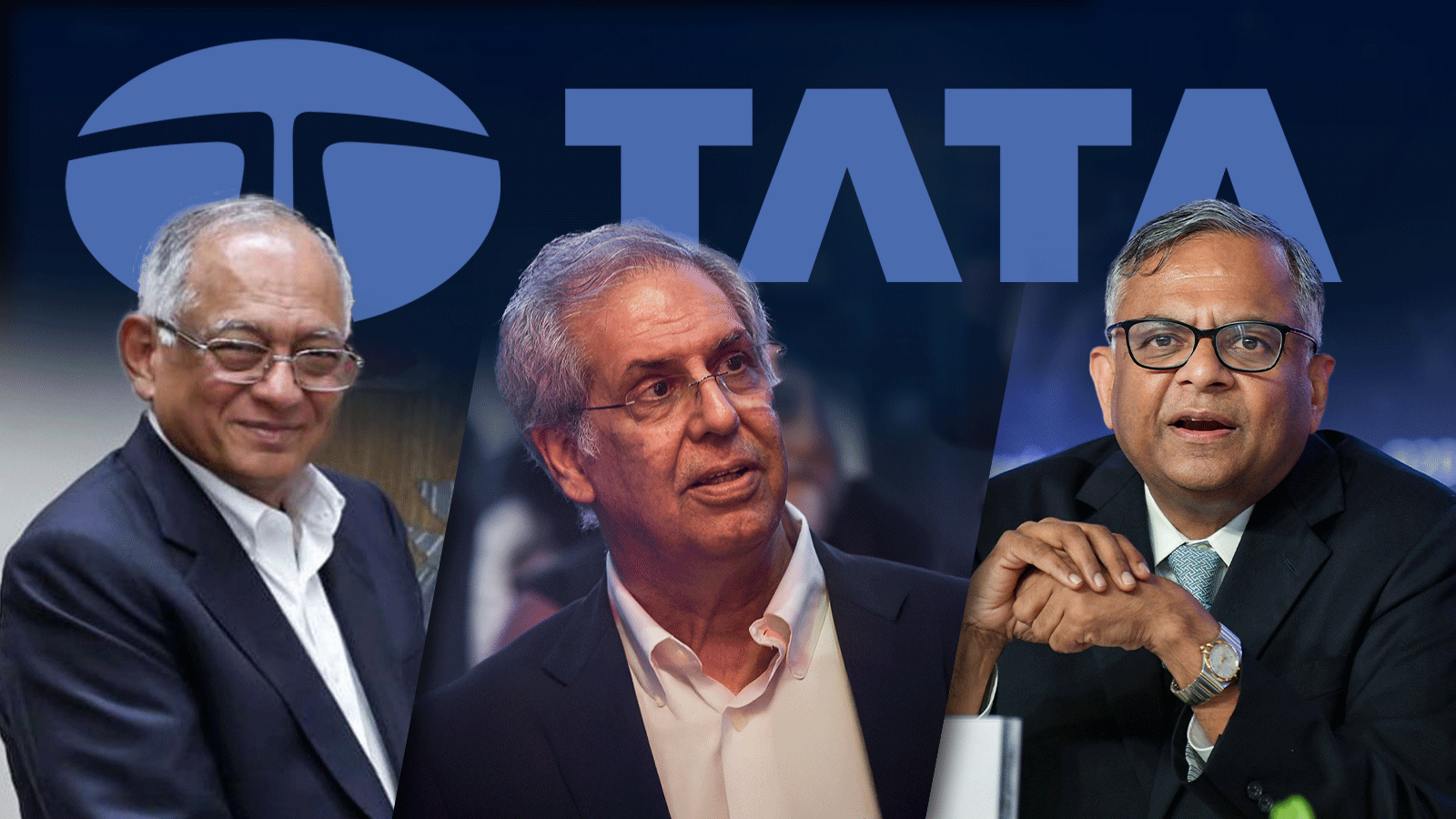


The dispute at the top of the Tata Group is no longer simply about the future of chairman N Chandrasekaran or whether Tata Sons should be listed on the stock market.
At its core is a more fundamental question: who has the final say when the board of Tata Sons and its largest shareholder, Tata Trusts, disagree?
Tata Trusts collectively own about 66 per cent of Tata Sons, the holding company through which the group owns stakes in several major businesses. Yet, on two important questions - Chandrasekaran's continuation as chairman and the listing of Tata Sons - the board and the Trusts have taken opposing positions.
The dispute has brought into the open tensions over corporate governance, shareholder rights, regulatory compliance and the unusual ownership structure that has shaped the Tata Group.
How the Tata Trust rift played out
The immediate confrontation became visible at the Tata Sons board meeting on September 17.
The board backed another five-year term for Chandrasekaran despite opposition from Noel Tata, chairman of Tata Trusts. Four directors supported the reappointment while Noel Tata opposed it.
The meeting also exposed the divide over the future of Tata Sons. Venu Srinivasan, a Tata Trusts nominee on the Tata Sons board and a trustee of Tata Trusts, supported the board's position. That left the two Tata Trusts nominees on opposite sides.
Tata Trusts subsequently questioned the validity of the decision-making process and the use of the chairman's casting vote.
Also Read:
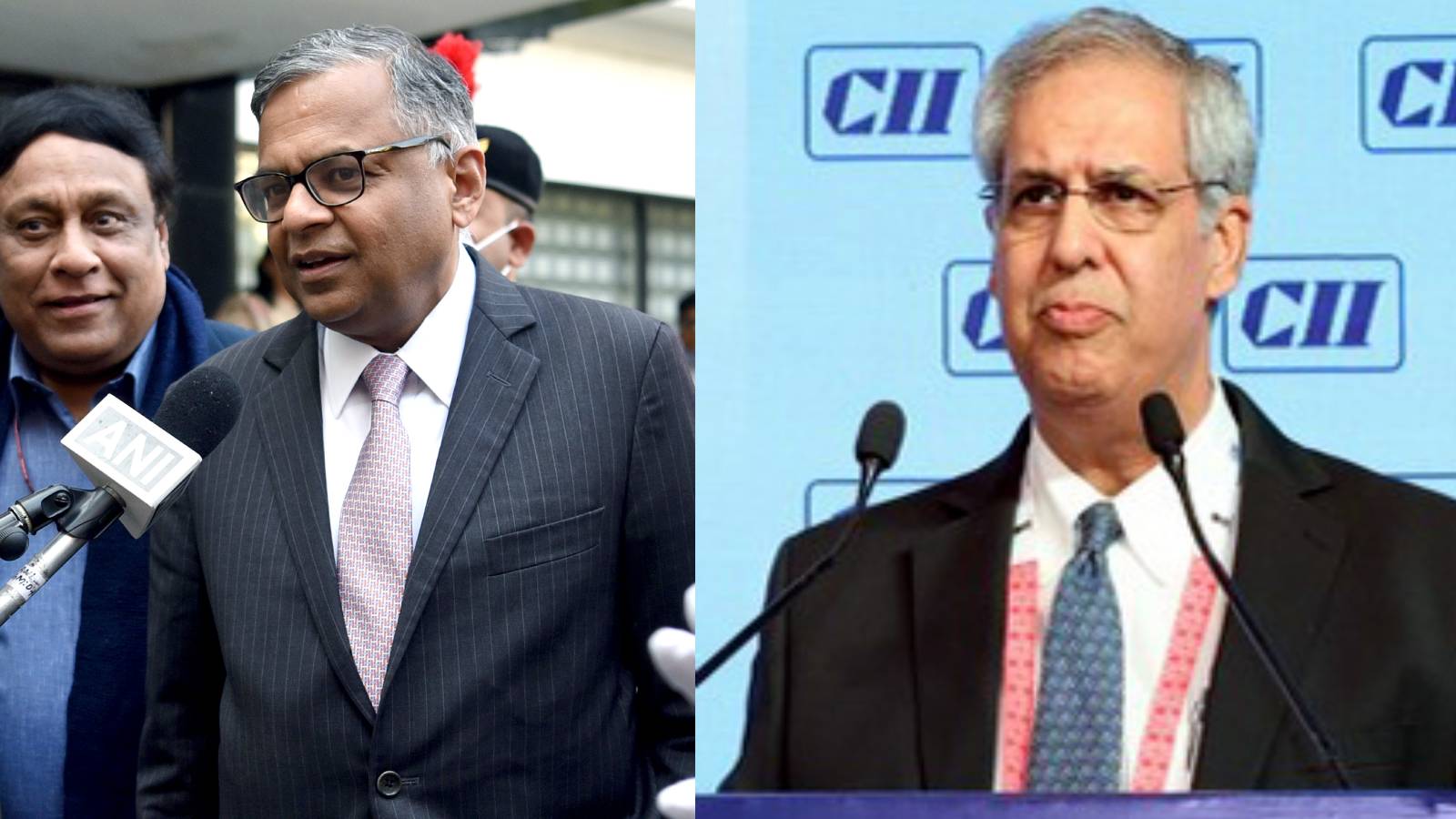
The board's decision, however, does not necessarily settle the matter. Chandrasekaran's reappointment requires shareholder approval, putting the Trusts' 66 per cent stake at the centre of the next stage.
The dispute had been building before the September meeting. Chandrasekaran had indicated in August that he would step down when his existing term ended on February 20, after Noel Tata opposed another term. A selection committee was then set up to identify a successor.
The board's decision reversed that course.
The listing question that changed the equation
Running alongside the chairman's battle is another major disagreement: should Tata Sons remain unlisted, or should it become a publicly traded company?
Tata Trusts have opposed a listing and have favoured finding regulatory alternatives that would allow Tata Sons to retain its existing structure.
In July 2025, the Sir Dorabji Tata Trust and Sir Ratan Tata Trust passed resolutions supporting the continuation of Tata Sons as an unlisted company. The position was communicated to Tata Sons.
Also Read:
This followed an earlier board decision. In March 2024, the Tata Sons board had unanimously decided that the company should remain unlisted, with Ratan Tata still serving as the guiding force. Chandrasekaran and Srinivasan were part of that decision. Noel Tata joined the Tata Sons board in November 2024.
The position changed after the Reserve Bank of India's (RBI) decision on Tata Sons' regulatory status.
Why the RBI matters
The regulatory issue goes back to October 2021, when the RBI introduced a scale-based framework for non-banking financial companies (NBFCs), dividing them into different regulatory layers.
An NBFC classified in the upper layer was required to list its equity shares within the prescribed period.
Tata Sons was classified as an upper-layer NBFC in September 2022. That created a regulatory route towards listing.
Tata Sons subsequently sought to surrender its registration as a Core Investment Company, a move intended to avoid the requirement associated with its NBFC status and allow the holding company to remain unlisted.
The RBI rejected that application in September and directed Tata Sons to comply with the applicable regulatory requirements. The decision effectively put Tata Sons back on the path towards a public listing.
The Tata Sons board then decided on September 17 to proceed with listing.
For Tata Trusts, however, the issue was not simply whether the company should comply with the regulator. The Trusts wanted Tata Sons to explore other permissible options before accepting a public listing.
That difference has become one of the central fault lines between the Trusts and the Tata Sons board.
Chandrasekaran, Srinivasan and Noel Tata
These three men have become central to understanding the current divide.
N Chandrasekaran has been Tata Sons chairman since 2017. His continuation has become a point of disagreement between the Tata Sons board and Noel Tata.
Venu Srinivasan occupies a more unusual position. He is a Tata Sons director, a trustee of Tata Trusts and a Trusts nominee on the Tata Sons board. His support for listing and for Chandrasekaran's continuation has put him on the opposite side of Noel Tata on two of the group's most important questions.
Noel Tata, meanwhile, is chairman of Tata Trusts and sits on the Tata Sons board. He has opposed both Chandrasekaran's continuation and the move towards listing.
The significance of this divide goes beyond the three individuals. The disagreement between Noel Tata and Srinivasan is particularly significant because both represent the Trusts' interests on the Tata Sons board, yet they have taken different positions on the issues now dividing the group.
Where does the power lie?
This brings the dispute to its central corporate-governance question.
Despite Tata Trusts owning a majority of stakes in Tata Sons, Tata Sons' board has argued that directors have responsibilities to the company itself and cannot simply act according to the wishes of an individual shareholder.
Ordinarily, the distinction between board authority and shareholder control may be easier to understand. Tata Sons is different because its ownership structure has allowed the Trusts to exercise considerable influence over the group while the holding company's board has its own governance responsibilities.
The September 17 decision has put that balance under direct pressure.
Can the board take a decision that goes against the wishes of the controlling shareholder? And if it can, how far does that authority extend? Those questions are now at the centre of the Tata Sons dispute.
A history of power struggles
The current confrontation also sits within a longer history of disputes over control and succession at Tata Sons.
After JRD Tata's death, Ratan Tata faced resistance from powerful group executives before consolidating his position.
The more recent example was the removal of Cyrus Mistry as Tata Sons chairman in 2016. That episode led to a prolonged legal battle and highlighted the influence of Tata Trusts within the group's governance structure.
The present dispute is different. During the Mistry episode, the Tata Sons board broadly aligned with Ratan Tata. This time, the board has taken a position that conflicts with Noel Tata, the head of Tata Trusts.
That makes the current confrontation a test of how the group's governance structure works when the board and its controlling shareholder are no longer aligned.
What is at stake?
The listing of Tata Sons would change more than the company's status on the stock market.
Tata Sons holds stakes in several Tata Group companies and earns dividend income from them, which contributes to the financial resources of Tata Trusts.
For the Trusts, retaining the existing structure therefore has implications for the relationship between the philanthropic institutions and the business group.
For those supporting a listing, the issue is also linked to regulatory compliance and transparency.
What next?
There are now two closely connected tests.
The first concerns Chandrasekaran's reappointment. The Tata Sons board has backed another five-year term, but shareholder approval remains necessary. Tata Trusts will have an important role when that decision comes before shareholders.
The second concerns the RBI's direction and the resulting listing requirement. Tata Trusts may challenge the RBI's decision and could also pursue legal action over the Chandrasekaran reappointment and the governance questions surrounding the board's decision.
The timing and precise legal route remain uncertain.
There is also a complication within the Trusts themselves. The Sir Ratan Tata Trust has faced intervention from the Maharashtra Charity Commissioner over the composition of its board, adding to the difficulties facing the Trusts at a time when their nominees on Tata Sons are already divided.
The immediate question is therefore not simply whether Tata Sons will be listed or whether Chandrasekaran will remain chairman.
It is whether the group's traditional balance between the Tata Trusts, the Tata Sons board and professional management can hold when those institutions disagree.
The RBI's decision has brought the listing issue to the forefront. The Chandrasekaran dispute has tested the limits of board authority. And the opposing positions of Noel Tata and Venu Srinivasan have exposed a deeper divide within the Trusts' representation on Tata Sons.
The outcome could determine not only who controls the next decision, but how the relationship between Tata Sons and Tata Trusts works in the years ahead.
(In Context looks beyond the headline to understand the story behind the story — the events that led to it, the forces shaping it, the people affected by it and what it tells us about the world around us.)